Council seeks new powers to regulate beauty work

 Getty
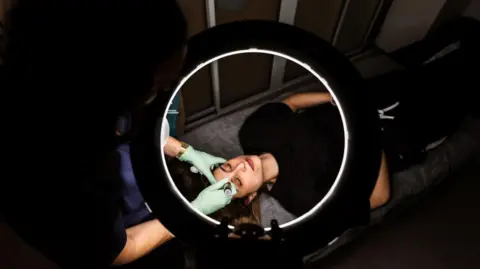
GettyA council is seeking new powers to better regulate the city's beauty and body piercing industry, saying current rules are out of date.
Bradford Council's current by-laws date back to 1982 and although they cover ear piercing and tattooing, they do not cover popular treatments such as body piercing and semi-permanent skin colouring.
Most businesses already voluntarily register with the council, but at a meeting on Wednesday councillors discussed making registration compulsory.
They were told the changes would help modernise oversight of the city's growing beauty industry, although treatments such as botox and dermal fillers would remain outside the proposed licensing regime.
A report to members of the regulatory and appeals committee said the exiting rules regulated activities such as ear piercing, tattooing, acupuncture and electrolysis, helping councils enforce hygiene standards and reduce the risk of infections and blood-borne diseases.
But it said the growth of cosmetic piercing and semi-permanent skin colouring meant some increasingly popular treatments were not covered by the current regulations, despite concerns they may pose similar health risks.
Senior environmental officer Jane Bradbury said: "There has been a massive rise in beauty treatments and we have to make sure we have adequate by-laws in place to cover these businesses."
Councillors were asked whether the changes would cover treatments such as anti-wrinkle injections and fillers, which have surged in popularity, according to the Local Democracy Reporting Service.
Officers said there was currently no legislation allowing councils to regulate those procedures but that a national licensing scheme was being developed.
Earlier this year, the UK Health Security Agency (UKHSA) said "a small number of people" had presented to NHS services around Leeds with signs of botulism following aesthetic treatments involving botulinum toxin.
Botulism is a rare infection caused by toxins produced by Clostridium botulinum bacteria.
Bradbury said if the committee approved the changes, the next step would be applying to government for new by-laws to allow the council to better regulate businesses.
Listen to highlights from West Yorkshire on BBC Sounds, catch up with the latest episode of Look North.
