City where 67,000 adults drink in excess and what is being done to change it

 BBC
BBCLiverpool City Council has approved a new five-year plan to curb binge drinking and alcohol-related harm after figures showed more than 67,000 adults in the city are estimated to drink to excess.
Alcohol-related harm is estimated to cost Liverpool about £330m a year and is linked to thousands of hospital admissions.
The strategy aims to "rebalance" the city's relationship with alcohol while recognising the role pubs, bars and restaurants play in the local economy and nightlife, the council said.
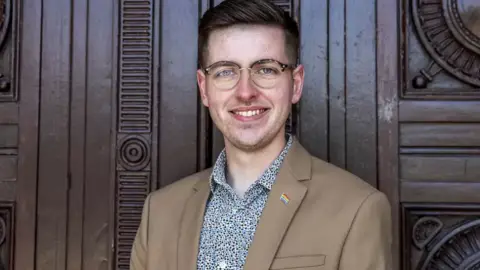
Councillor Harry Doyle said: "Is our relationship with alcohol the right one? Is it balanced? Right now, the answer is no."
Doyle said the council wanted more people to get help sooner, with a focus on cutting alcohol-related hospital admissions and strengthening services for those affected by alcohol misuse.
 Liverpool City Council
The plan, which will run until 2032, was developed over two years with input from residents, community groups and organisations.
Council figures estimate about 67,300 adults binge drink in Liverpool, while about 87,000 drink more than the recommended guidelines.
Hospital admissions
Alcohol-related harm is estimated to cost Liverpool £331.7m a year and is linked to 4,791 alcohol-specific hospital admissions and 79 alcohol-specific deaths annually.
The strategy report said alcohol contributes to preventable illness, avoidable deaths, domestic abuse, anti-social behaviour and crime, with the impact greater in Liverpool than in many other parts of the country.
There are also stark differences across the city. Stanley Park recorded the highest rate of alcohol-specific hospital admissions, at 2,014 per 100,000 people, followed by Newsham and North Docks.
Prof Matt Ashton, Liverpool's director of public health, said the city had a "proud and vibrant" hospitality sector but that alcohol-related harm remained a significant public health challenge.
"It impacts people's lives, their families and communities, and disproportionately affects some of our communities," he said.
'Informed choices'
The data also showed that 5.1% of women in Liverpool drank alcohol during early pregnancy, compared with 2.4% nationally, while 28.9% of people aged over 65 drank more than the recommended maximum of 14 units a week.
The strategy includes measures focused on prevention, earlier intervention, treatment and recovery services, support for children and families affected by alcohol harm, and tackling underage and illegal alcohol sales.
Ashton added: "We want to support our thriving and often fantastic hospitality sector while also helping people to make informed choices, reducing alcohol-related harm and ensuring support is available as early as possible for those who need it."
Listen to the best of BBC Radio Merseyside on Sounds and follow BBC Merseyside on Facebook, X, and Instagram. You can also send story ideas via Whatsapp to 0808 100 2230.
