'You can change things,' says teen's grieving mum

 Family handout
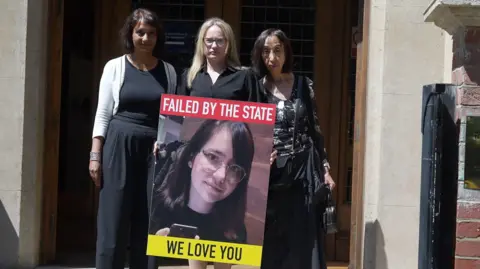
The mother of a 16-year-old girl who died at an Essex mental health unit has told the chair of a public inquiry that she has the power to "change things".
Victoria Sebastian was giving evidence to the Lampard Inquiry in London, which is examining the deaths of more than 2,000 people under the care of Essex mental health services between 2000 and 2023.
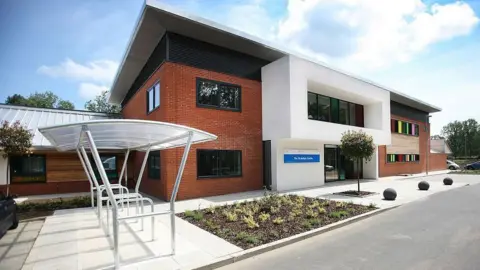
Her daughter, Elise Sebastian, who was autistic, was found unresponsive in her room at the St Aubyn Centre in Colchester in April 2021.
Baroness Lampard said bereaved families would be at the heart of the inquiry because she wanted to identify systemic failures which the country could learn from.
 Jamie Niblock/BBC
Essex Partnership University NHS Foundation Trust (EPUT), which runs mental health services in Essex, said it was sorry Elise "did not receive the care she deserved".
Elise was described as a teenager who loved animals and Harry Potter. Her mother told the inquiry her autism was not properly understood by staff involved in her care.
The inquiry heard a coroner concluded Elise's death was contributed to by neglect.
'All in her head'
Victoria said she did not believe those responsible for different aspects of Elise's treatment understood either her daughter or the extent of her suffering.
She told the inquiry Elise began struggling with anxiety when she was 10 and also experienced a number of physical health problems, including a curvature of the spine and bowel issues.
Victoria said those concerns were not properly investigated.
"She was made to feel like she had health anxiety from when she was 11," she said.
"We'd take her to lots of different doctors and they'd tell her it was all in her head and she needed therapy."
On the day Elise died, Victoria said she received a call from a rheumatology department about concerns relating to her daughter's joints, with a possible diagnosis of Ehlers-Danlos syndrome being considered.
"I said to them: 'It's too late'," she told the inquiry.
 EPUT
EPUTElise was admitted a number of times to mental health units in Essex. Victoria said her daughter was bullied by other patients and was punched at the St Aubyn Centre because she wanted to get better.
She described the unit as "not fit for purpose" and said she did not feel safe leaving Elise there.
"I wanted to take her home, but [I would have been] arrested because she was on a section. I wasn't allowed to take my child home, and she was not safe."
The inquiry heard Elise should have been receiving one-to-one observations.
With 11 patients on the ward, staffing levels meant a member of staff would have had to observe a patient roughly every 54 seconds.
Although she was not supposed to be left alone, the inquiry heard Elise was by herself for 28 minutes before she died.
 Family handout
The inquiry also heard staff were relying on infrared Oxevision cameras to help monitor patients, but poor wi-fi connections limited access to information and emergency alarms were muted.
Victoria said weekends particularly frightened her daughter. They "scared" Elise because more agency staff would be on and they "didn't care", she said.
Elise was found unresponsive at the weekend and Victoria criticised the response, telling the inquiry some staff were unfamiliar with patients and procedures on the ward.
"They let her die," she said.
The mother called for comprehensive and regularly refreshed training in physical healthcare and resuscitation for mental health staff. She also said infrared camera monitoring should be banned on mental health wards and families should be more involved in decisions about care.
Trevor Smith, chief executive of EPUT, said: "I am sorry that Elise did not receive the care she deserved and offer my deepest condolences to her family, friends and loved ones.
"All of us across healthcare have a responsibility to work together to improve care and treatment for all."
Do you have a story suggestion for Essex? Contact us below.
Follow Essex news on BBC Sounds, Facebook, Instagram and X.
