Bluebells of 'immense beauty' bloom early on estate

 Shaun Whitmore/BBC
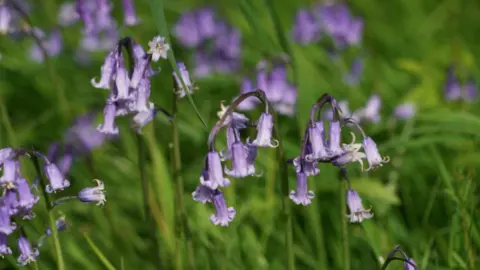
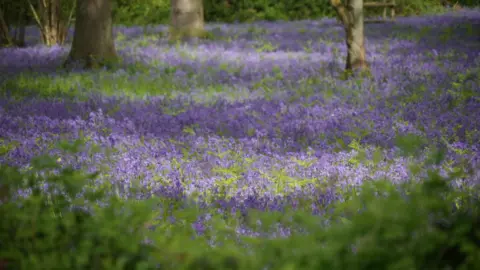
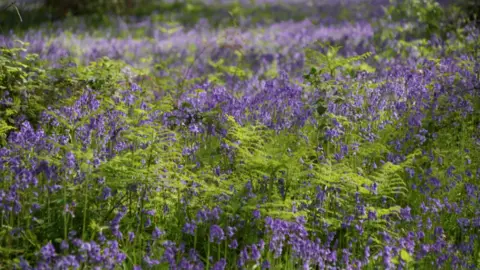
The "immense beauty" of bluebells has arrived early at a stately home thanks to fine weather during the early months of the year, a ranger said.
Each year staff at the Blickling Estate near Aylsham, Norfolk, prepare its ancient woodland by pruning and getting rid of brambles to allow bluebells to bloom in the spring.
Ranger Elissa Healey believed the flower has sprung early due to a warm start to the year and lack of frost, adding that intense changing climates and weather dictates when they flower.
"I personally believe this display is just incredible this year. It's so dense, it's so blue," she said.
If bluebells flower in spring, they are able to make the most of all available light before leaves start to appear on trees and cause shade.
The National Trust said the presence of the flowers is a sign that a woodland is ancient and has been part of the landscape for at least 400 years.
 Shaun Whitmore/BBC
 Shaun Whitmore/BBC
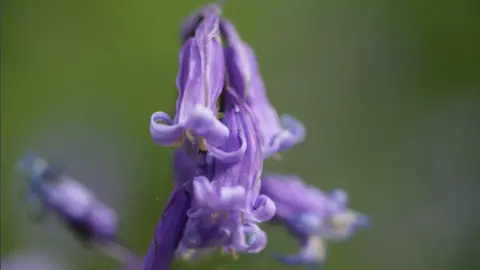
Healey said the trust wanted to preserve the British bluebell, which has to compete with the Spanish bluebell typically found in gardens.
She said: "They are much more resilient than our native ones. The Spanish grow much faster so they spread faster. They go from bulb to flower quicker. Whereas the English, take five to seven years from seed to a fully formed plant."
Bluebells are protected under the Wildlife and Countryside Act 1981 and it is illegal to pick or uproot them.
She said: "British bluebells smell insane they have the sweetest smell and the best time to smell them is in the mornings when it's kind of humid and it's just warming up."
 Shaun Whitmore/BBC
 Shaun Whitmore/BBC
Andrew Brooks, the countryside manager for the Blickling Estate, said the bluebell display was not something you ever got used to.
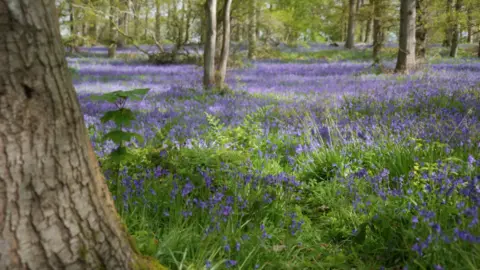
He said: "When you walk up and you get this view of the bluebells you can't help but be in awe of the view - it's stunning.
"On a very sunny mid-afternoon it's buzzing in here, literally with people as well as bees and hoverflies and all sorts of insects."
When it was decided the woodland where the bluebells grow would be open to visitors, he said the team began managing the Great Wood rather than leaving it to grow wild.
He said: "In November, we clear the bramble from the area which helps us provide this uninterrupted view of the bluebells in the section... the thing that has the main impact is keeping people and dogs from trampling the bluebells.
"Since I've been here at Blickling it's part of our year looking after this area and preparing this display, it's close to my heart for sure."
Do you have a story suggestion for Norfolk? Contact us below.
Follow Norfolk news on BBC Sounds, Facebook, Instagram and X.
