Museum honours one of its first female scientists

 Trustees of the Natural History Museum
Plans have been submitted for a blue plaque to honour a renowned palaeontologist who was one of the first female scientists at the Natural History Museum.
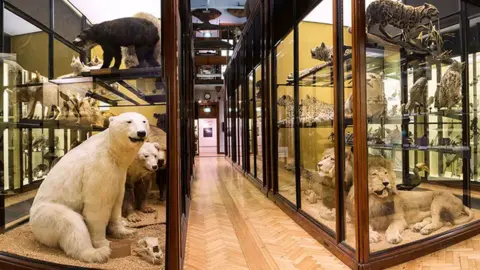
It has applied for permission to erect a Historic England plaque honouring Dorothea Bate at its site in Tring, Hertfordshire.
She began working for the Natural History Museum in 1898, aged 19, and discovered numerous fossils of extinct species across England, Europe and further afield.
During World War Two, she was responsible for transferring precious artefacts from the museum's main site in South Kensington in London to Tring.
After the conflict ended, she was appointed Officer in Charge at the Hertfordshire Collection, according to the Local Democracy Reporting Service.
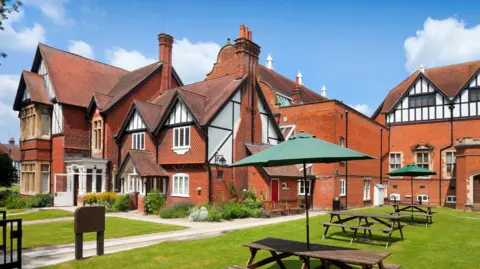
If permission is granted by Dacorum Borough Council, the plaque would be fixed to the wall of the original cottage on Akeman Street, facing Park Street.
 Ghar Dalam Museum and Heritage Malta
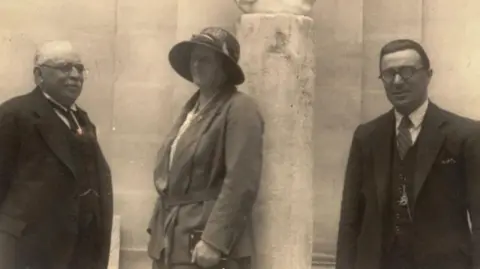
Bate had little formal education, but a fascination with wildlife and nature prompted her to leave Carmarthenshire in south Wales and to ask for a job at Natural History Museum.
She spent more than 50 years working for the museum and led expeditions around the world before her death in 1951.
She became an expert in archaeozoology, the study of animal remains, and her largest discoveries included fossilised elephants and the bones of a giant tortoise in Bethlehem.
In 2017, a plaque was unveiled at Napier House in Carmarthen, where she was born.
 Trustees of the Natural History Museum
There is an existing plaque on the wall at the museum's site in Tring commemorating Lord Walter Rothschild, whose taxidermy collection is housed there.
Born into a prominent banking family in 1868, Lord Rothschild became interested in nature when he was very young.
His father – the first Lord Rothschild – built him a museum on the edge of Tring Park for his 21st birthday.
Three years later Walter's Zoological Museum – now the Natural History Museum at Tring – opened to the public.
Do you have a story suggestion for Beds, Herts or Bucks? Contact us below.
Follow Beds, Herts and Bucks news on BBC Sounds, Facebook, Instagram and X.
