Family hope lessons learnt over bedsores death

 Supplied
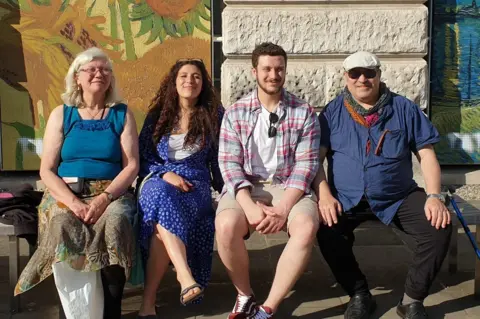
The family of a man who died after his leg ulcers became infected while at hospital say they hope lessons have been learnt by staff.
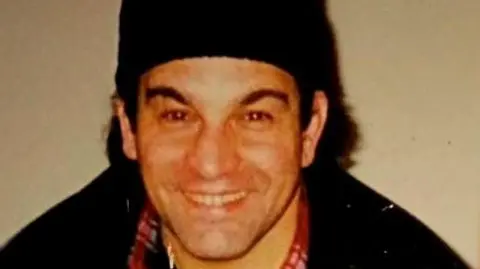
Stephen Rowan, 74, from Norwich, was taken to hospital for a fractured hip in April last year, but while rehabilitating his health deteriorated.
An inquest has concluded his death - which happened a week after both his legs were amputated - was the result of natural causes.
But his family said they felt "let down" by how treatment of his sores was managed due to communication problems between different departments at Norwich Community Hospital.
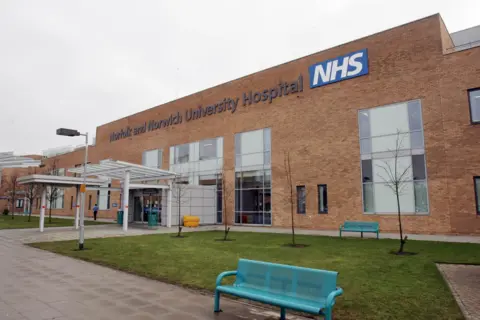
Rowan's family said he was admitted to the Norfolk and Norwich University Hospital (NNUH) on 26 April 2025 after suffering a fall at home.
He was later sent to the Norwich Community Hospital in May to rehabilitate as surgery was deemed too risky.
The retired lecturer suffered from several health conditions, including type 2 diabetes and heart failure.
While there, he was moved on to the Willow ward, a new £19m facility that aims to provide intensive rehabilitation to get people out of hospital care quicker.
Rowan, a retired lecturer who was born in Stoke Newington in north London, already had problems with bedsores at the base of his spine and he was also found to have two ulcers on his heels.
 Supplied
A nurse created a care regime for his sores that required antimicrobial dressings and for him to lie on an air mattress.
But the care was not provided as directed initially as the staff could not find the specialist dressings provided, so used alternatives.
He was also not given an air mattress at first.
The nurse also advised he should see a diabetes foot specialist again for his leg ulcers as soon as possible, but this did not happen.
By 14 June, Rowan's health deteriorated and he was sent back to the NNUH with suspected sepsis caused by his heel ulcers becoming infected.
Doctors decided he needed to have his legs amputated, which happened on 3 July and 20 July, but he died seven days later after the second surgery on 27 July.
'Progressed regardless'
During the inquest, barrister Anthony Searle, representing Rowan's family, questioned whether treatment failings meant the double amputation was needed.
The ward manager at the time of Rowan's stay said: "We were a new team, we had to learn a lot and we are much more vigilant now."
She said changes had been made at the practice and staff were given more training on managing bedsores.
But Matthew Armon, a consultant vascular surgeon who treated Rowan at the NNUH, told the inquest his type 2 diabetes made it likely his ulcers would still have worsened.
"We are speculating what may or may not have happened but the reality is... there is a high chance the ulcers will have progressed regardless," he said.
 Supplied
Johanna Thompson, the area coroner, ultimately ruled that any problems with his treatment would have had a "minimal" effect on the deterioration of his ulcers.
She said the exact cause of death was hospital-acquired pneumonia, caused by immobility, together with bilateral, uncomplicated below-knee amputations and bilateral critical limb ischaemia (critically reduced blood flow).
Following the verdict, Rowan's family said: "We are disappointed by the summing up. We feel the NHS system has let us down with his care.
"But... we hope it can prevent further families from having to go through a similar experience in the future and that communication between wards and teams can be improved."
Do you have a story suggestion for Norfolk? Contact us below.
Follow Norfolk news on BBC Sounds, Facebook, Instagram and X.
