Fairer prices and a get-out plan - farmers on what farming needs to thrive
 Danny Lawson/PA Wire
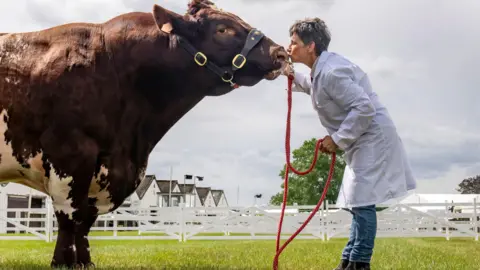
The Great Yorkshire Show is one of the biggest events in the rural calendar, attracting tens of thousands of visitors each day over its four-day run.
Those living and working in the countryside economy often say they feel overlooked by politicians and people living in the nation's towns and cities.
Rising prices of essential goods, labour shortages, changes to grants and subsidies as well as government plans for changes to inheritance tax have all been in the news as challenges for farmers, rural workers and countryside communities.
But what do farmers want to see from Westminster and the wider population - and what advice do they have for other people in rural communities?
'We need to produce more of our food'
 BBC/Spencer Stokes
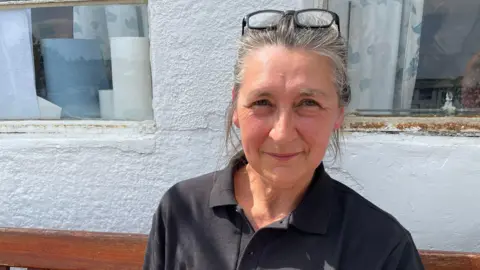
Angela Dick, who farms Hebridean sheep at her smallholding near York, says her biggest worry is summer heat and how people react during the weather.
"It's just so hot and tinder dry" she explains, "we had fires on our land last year and people don't realise how barbecues and discarded cigarettes can cause massive damage, put lives at risk and cause health issues if people have respiratory problems."
Summer 2025 saw fires on the North York Moors burn for more than six weeks and destroy 25 sq km of moorland.
Angela's sheep are Hebridean and North Ronaldsay rare breeds that she's kept at her farm for 15 years - they are reared for both their wool wool and meat.
Asked what she would like to see change in farming, Angela says she worries about food security and the loss of good farmland.
"Building work, solar farms, golf courses are all taking quality arable land - and as a nation we don't actually grow an awful lot, we need to produce more of our food."
'Farmers need a get out'
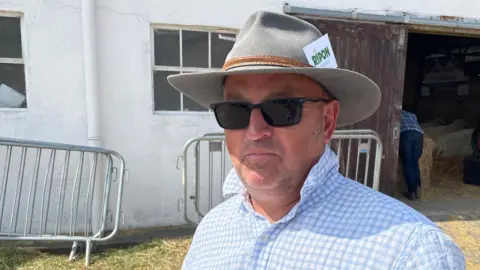
Mark Wagstaff knows all about tinder dry conditions.
He is a sheep farmer who hails from Horton-in-Ribblesdale in North Yorkshire but moved out to Australia and spent 25 years farming Down Under.
"Over there you have to think about the weather, if it doesn't rain you're not farming, so you have to think outside the box all the time," he says.
"We ran Aberdeen Angus cattle and sheep on farms in Australia"
Mark has returned to the UK and now lives on the Isle of Mull in Scotland, but regularly visits the Great Yorkshire Show.
If there's one thing he could change it would be making sure farmers have an exit plan.
"Farmers need a get out, too many are stuck and there's no way they can escape it if things aren't going well," he says.
'Someone who knows what they are doing'
The Great Yorkshire Show, at the showground in Harrogate, attracts farmers and and non-farmers alike from across the country.
It has expanded from three to four days in recent years.
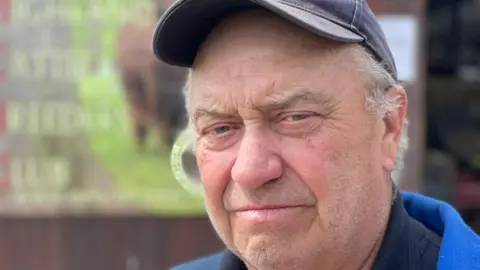
Geoff Hutchinson, 71, has come down from Teesside.
A beef and sheep farmer he's just been paid £7.47 per metre by the UK government's Department of Environment Food and Rural Affairs (DEFRA) to replace three miles of fencing around his land.
"I am getting the money over five years" he explains.
"It comes every three months, but as soon as it arrives they want some back in tax.
"It makes no sense, how can it be a grant when they're taking it off you?"
If he could change one thing he says he'd get a decent government who understand farming.
"Let's have someone who knows what they're doing for goodness sake," he says.
'We're price-takers - not price-setters'
From smallholdings with just a handful of animals to vast farms that produce tonnes of meat and grain, the event is an agricultural melting pot for farmers across the country.
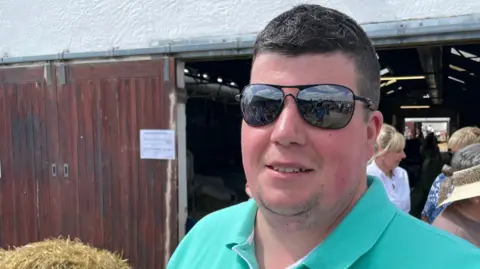
Tom Mitchinson, 38, a chicken farmer from Cumbria falls into the big producer category.
He rears 400,000 broiler chickens that are sold to fast food chicken restaurants such as Nando's and Popeyes.
"I genuinely think if we weren't there the country would starve," he says.
Tom also worries that people don't understand food production and thinks they are being brainwashed by social media and television,
"There's just so much anti-farmer stuff in the media, their food is there on a plate but they don't think about where it's come from."
If he could change anything he mentions "fairness".
"At the moment supermarkets take everything, we're right at the bottom of the supply chain but they can't do without us."
"It's frustrating, we're the price taker, not the price setter," he laments.
Listen to highlights from North Yorkshire on BBC Sounds, catch up with the latest episode of Look North.
