A new generation is carrying the torch for Northern Soul

 BBC
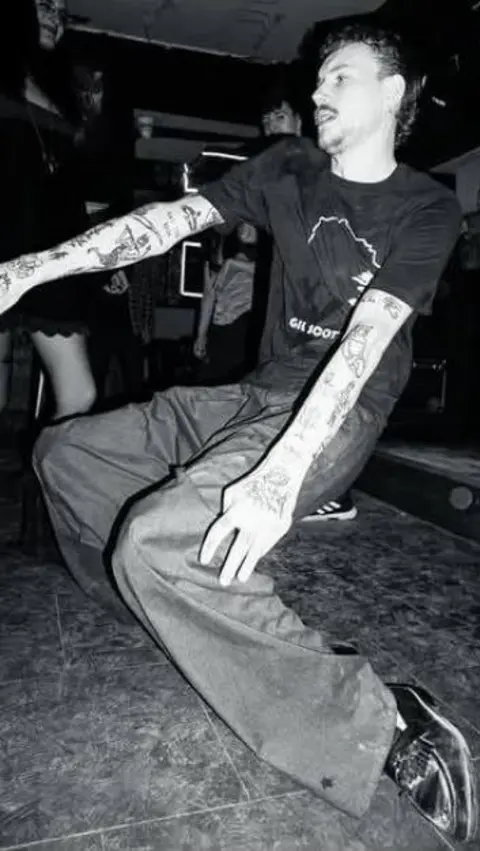
BBCIt brought talc-stained dance floors, wide-flared trousers and big dance moves to nightclubs.
Northern Soul sprang into life in the late 1960s and early 70s, with high-energy club nights in venues across the north of England, from Wigan Casino to the Twisted Wheel in Manchester.
The scene celebrated rare American soul and Motown records, but was also known for distinctive dance styles and fashions.
In the decades since, many of the iconic venues that helped define Northern Soul have been lost.
But today, nearly 60 years on, a new generation of "soulies" has come forward to carry the torch into the future.
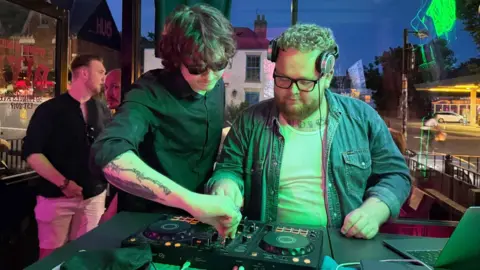
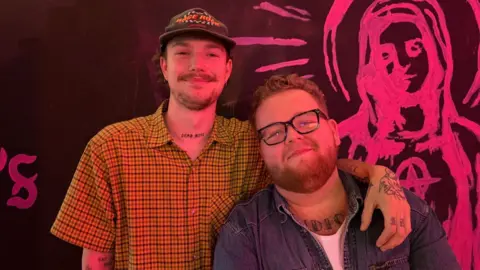
Thomas Whittleton, 22, and Charlie Mulligan, 25, are co-founders of Kingston Upon Soul, a club night based in Hull.
They say they grew up hearing stories about the scene from relatives, with Mulligan citing his uncle's two-step dance skills as a standout memory.
Mulligan also began attending a long-running Northern Soul club in the city, called the Hull Soul Club.
"Northern Soul is my escape. When the music starts, everything heavy falls away," he says.
"It's more than music, it's walking into a room and knowing you're surrounded by people who feel things as deeply as you do."
Whittleton adds: "We were both massive lovers of Northern Soul and noticed there had been an older following in the city for years, but there was nowhere young people were going to, so we just thought, why not start our own night?
"In big cities such as Manchester, there is an amazing soul scene – and the vast majority of that is young people. Hull was missing that."
 Ben Keen
The pair were inspired by events such as the Bristol Soul Club and Deptford Northern Soul Club, which were already drawing in large crowds.
Mulligan adds: "There's too many vape shops, not enough youth clubs, I just want young people to dance – that's all I want.
"Wear what you want, just come and dance and let yourself go."
While the early 1970s marked the heyday of Northern Soul, the genre has retained a cult following ever since.
Up the road from Hull on the East Yorkshire coast, about 2,000 people gather every year for the Bridlington Soul Weekender.
The event attracts people from across the country, though many would admit that they are past the first flush of youth.
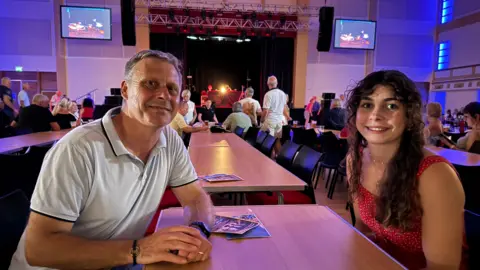
One of the younger "soulies" taking part is 25-year-old Beth Armand, who has travelled up from Devon with her dad.
"I think I'm probably the youngest person here barring the security guard," Armand says.
She has sympathy from young people who may feel daunted by joining events with a generally older audience.
"You can feel like an imposter if you didn't grow up in that era," she explains, but adds: "It would be positive to carry it on."
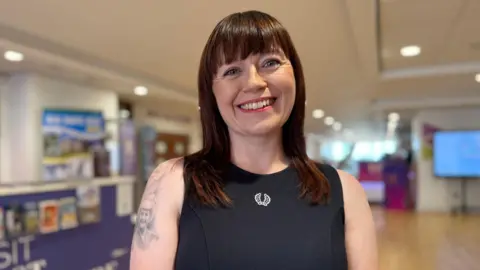
Amy Redhead, 32, from Durham, joined the scene a couple of years ago and has recently started DJ-ing.
She says she found an accepting culture, but admits she was nervous at first. "It used to take me about six gin and tonics to get on the dance floor, but I don't stop dancing now.
"There are certain clubs that are dying out due to a lack of reception, but I don't think it'll ever die out, it'll just adapt.
"Northern Soul is something for younger generations to continue and grow with. Getting more young people involved would be a massive help."
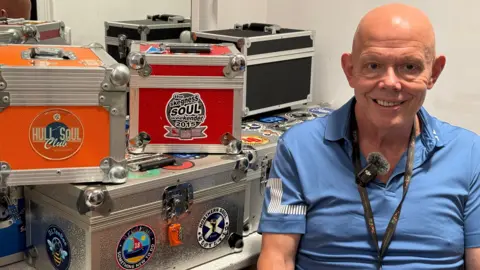
DJ Pat Brady, 69, organises the Bridlington event and estimates he has played at more than 2,000 club nights over the years.
"The history of Northern Soul is like a rollercoaster, people have said the scene's dead so many times," he says. "Well, I'm 50years deep into it – it doesn't seem dead to me."
Brady is "hopeful" for the future.
"Northern Soul is precious, but the thing about it is, it's the most welcoming music scene that I know of.
"The youngsters that come to our events are welcomed with open arms, we just want more and more to come.
"I would say to any young person, come and try it, and if they spread the world to their other friends, there'll be a new nucleus of people coming – and that will be good."
Another stalwart of Northern Soul is John Kane, who hosts a weekly show on BBC Sounds and Radio Sheffield.
He fears the scene could face an untimely demise without new blood.
"Unless there are more and more young people that get involved, it is a scene that will disappear and that is the harsh reality.
"I think young people coming along to soul events needs to be encouraged. And it's great to see young people in the scene having a great time – getting the same thrill from the music that we did when we were younger."
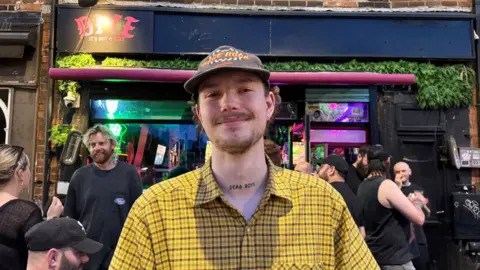
Back in Hull, Whittleton and Mulligan have already hosted five events at Dive Bar, a small, independent venue in Hull's Princes Avenue.
They say the audience for the event is growing in number month by month.
"People are turning around to us and saying, why hasn't this happened earlier?" Whittleton says. "It's a community now.
"The barrier to entry is so low, just turn up and have a good night.
"Even if you don't know the music, come and discover a whole new world that you didn't know was out there.
"It's about respecting what came before, but pushing it into the future a little bit."
Listen to highlights fromHull and East Yorkshire on BBC Sounds, watch the latest episode of Look Northor tell us about a story you think we should be coveringhere.
Download the BBC News app from the App Store for iPhone and iPad or Google Play for Android devices
