We all need to start thinking about our bone health. Here's what to eat

 Getty Images
Our bone density begins declining earlier than you might think. But ensuring our diet is rich in certain nutrients can help to keep our skeletons strong.
Drinking milk will help you to grow strong bones. This is some of the first health advice many of us receive. As children, many of us were encouraged to finish our milk at break time with the promise that the calcium would help us to grow a strong and healthy skeleton.
But though this dairy-heavy advice is often seared onto our memories from an early age, what's less talked about in my social circles now is just how common fragile bones are later in life – and how if we don't protect our bones when we are younger, we open ourselves up to an increased risk of fractures.
Luckily, there is something we can do about it, whatever age we are. With a diet packed with the right nutrients, alongside staying active, we can all have healthier bones – and no, it's not just about drinking more milk.
Our bone health is shaped decades before they start to show signs of frailty. The skeleton we carry in later life depends on the bone reserve we build during childhood and early adulthood, when bones grow stronger and denser before reaching their peak in early adulthood, says Kate Ward, a professor of global musculoskeletal health at the University of Southampton in the UK.
After that, we begin to lose bone density as we age. There are also around 500 million people worldwide with osteoporosis, a condition that weakens our bones, causing them to become thinner and more brittle. Conditions like osteopenia and osteoporosis are often silent diseases that show no symptoms until a potentially life-altering fracture occurs, explains Julie Thompson from the Royal Osteoporosis Society in the UK.
This is especially the case for hip fractures, of which more than 10 million occur globally per year in those aged over 55. The consequences of this can be dire, with fractures leading to complications such as pneumonia or heart attacks. In all, about 30% of patients over the age of 60 die within one year of a hip fracture – though other factors such as age and pre-existing conditions may also be involved.
As women age, they are particularly vulnerable to loss of bone density, especially during menopause – and they have a higher prevalence of osteoporosis. But men are affected too.
"Historically osteoporosis was considered a disease of women and that is because [more] men were dying in their 60s due to heart disease. They now live long enough to express osteoporosis," says Bess Dawson-Hughes a professor of medicine at Tufts University who specialises in bone and muscle function.
So, what can we eat to ensure our bones stay strong?
Milk cheese and yoghurt
Calcium, vitamin D and protein are the primary drivers of bone health and nutrients like vitamin K, magnesium, zinc and phosphorus are all important for maintaining healthy bones and muscles.
It's common knowledge that foods rich in dairy are indeed rich in calcium – one 200ml (6.8 fl oz) glass of milk provides about 260mg. In a recent trial, researchers looked at the effects of increased dairy and protein consumption in 7,195 older adults living in care homes and found that over two years, those in the higher-dairy group had an 11% lower risk of falls and a 46% lower risk of hip fractures. Because the intervention increased both calcium and protein, the researchers suggest it could be the combination of the two that provided the protective effect.
As for how much to consume, recommendations vary between countries. In the UK adults are recommended to consume about 700mg of calcium per day. If you're at risk of osteoporosis, the recommendation is 1,000mg per day. Postmenopausal women meanwhile should aim for 1,200mg. In the US the recommendation is for adults to consume between 1,000-1,200mg of calcium each day, depending on your age and gender.
 Getty Images
Soy
There are plenty of non-dairy food sources that help you get calcium into your diet, says Ward. One of these are soy foods, such as tofu and edamame beans – 100g (3.5oz) of tofu contains 200mg of calcium.
There is emerging evidence that soy foods could reduce the risk of fractures.
Soy contains a type of naturally occurring plant compound that resembles oestrogen, called isoflavone. Studies have also found that postmenopausal women with a high intake of soy supplements have better bone density.
A meta-analysis involving over 9,000 postmenopausal women found those who took soy isoflavone supplements showed small improvements in bone mineral density at the spine, hip and forearm. The biggest benefits were seen with higher-dose supplements taken for at least a year, but more research is needed to understand the benefits from eating soy foods compared to supplements.
Another source of soy is tempeh, which is made through fermentation, a process that breaks down compounds known as antinutrients, which can interfere with the absorption of minerals important for bone health. As a result, our body can absorb more calcium from tempeh.
Chia seeds
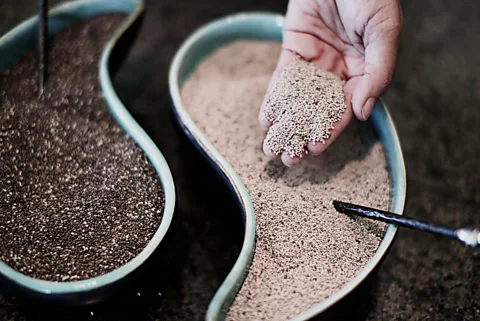
Chia seeds are an excellent source of calcium, magnesium and phosphorus, and we only need a small amount to get numerous nutrients. One tablespoon contains 95mg of calcium.
They are also rich in omega-3 fats, which help reduce inflammation. This is particularly important, because chronic inflammation can cause the body to break down old bone tissue faster than it can rebuild it. Over time, this imbalance can increase the risk of osteoporosis. In animal research, rats fed chia seeds for over a year had better bone mineral content than those on a standard diet. While the findings are promising, more research is needed to understand if the same effect would occur in people.
Dried fruit like prunes and figs
You may not immediately think of dried fruit when it comes to bone health, but foods such as figs and apricots are rich in calcium – two dried figs contain about 100mg of calcium. Fresh fruit can also be a source, with one orange containing about 50mg.
Figs and apricots also contain magnesium, which helps support bone formation and mineral balance. Additionally, many fruits are rich in polyphenols, which are natural plant compounds with antioxidant and anti-inflammatory properties, which may help to slow bone breakdown.
One randomised control trial found that women who ate 50g of prunes daily for one year experienced less bone loss than those who didn't consume the fruit, while a review study found that higher fruit and vegetable intake was associated with higher bone mineral density and a lower risk of fractures.
Recommended foods
Calcium: Milk, yoghurt, cheese, kale, collard greens, almonds, tinned sardines (with bones)
Vitamin D: Salmon, mackerel, tuna, egg yolks
Magnesium: Spinach, okra, potatoes, sweet potatoes, raisins
Vitamin K: Prunes, spinach, brussels sprouts, kale
Potassium: Papaya, oranges, bananas, plantains, tomatoes
Canned fish
One small tin of sardines can provide as much as 30% of the calcium you need per day, (a 60g tin contains about 240mg of calcium). Canned salmon is also high in calcium, as well as being rich in protein, which plays a vital role in maintaining healthy bones, preserving muscle mass and supporting the body's repair processes.
"Bone and muscle should really be thought of as a single system," says Dawson-Hughes. "If you can preserve muscle strength, you will lower risk of falls and you will dramatically lower your fracture risk."
Oily fish is also rich in vitamin D, which helps the body to absorb calcium. A deficiency in this nutrient is associated with fatigue, reduced muscle function and higher fall risk.
 Getty Images
What about supplements?
The benefits of taking bone health supplements remains a debated topic among researchers, due to conflicting findings, says Amelia Moore, a research fellow in Guy's Hospital Osteoporosis Unit in London. That's because how effective they are depends on the population taking them, she says.
Research suggests that vitamin D supplements may not prevent fractures in healthy people, though previous research found they can reduce the risk of falls among older adults.
If we take too much (over 100 micrograms, which is significantly more than the recommended daily supplement amount of 10-15 micrograms) it may increase falls. This suggests that "more is not better", says Dawson-Hughes. We don't know for sure, why she says, but too much could increase a hormone that reduces the amount of vitamin D available to our body.
While the US and the UK advise adults to take a vitamin D supplement, some experts say only older adults or at risk groups should take supplements, especially those who have little Sun exposure. Globally about 15% of individuals are deficient and it's more common in winter. Meanwhile, calcium supplements are only recommended for those who are not able to get enough from their diet.
"If you have a diet that has dairy, protein, green leafy vegetables and fish and meat, you'll have all the vitamins and minerals you need, but there will be people who don't have that. And those people would probably need to take supplements," Sagen Zac-Varghese told the BBC's What's Up Docs podcast.
Of course, there are plenty of vegan foods which contain calcium naturally, such as green leafy vegetables, sesame seeds and various pulses, and some people may be able to get enough from these sources. However, one meta analysis found that vegans tend to consume less of this nutrient than omnivores or vegetarians, and experts say that vegans might want to consider fortified foods or supplements.
In general, says Moore, "the best ways to keep our bones healthy include eating a healthy, balanced, varied diet." And of course, combining that with plenty of weight-bearing exercise.
* Melissa Hogenboom is a senior health correspondent at the BBC and author of Breadwinners and The Motherhood Complex. She is melissa_hogenboom on Instagram.
--
For trusted insights on health and wellbeing, sign up to theHealth Fix newsletter by senior health correspondent Melissa Hogenboom who also writes theLive Well For Longer andSix Steps to Calm courses.
