Nigerian House of Representatives pass state police bill
Wia dis foto come from, NPF/Facebook
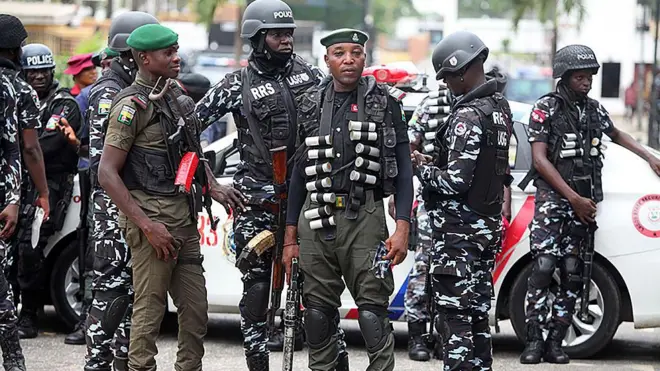
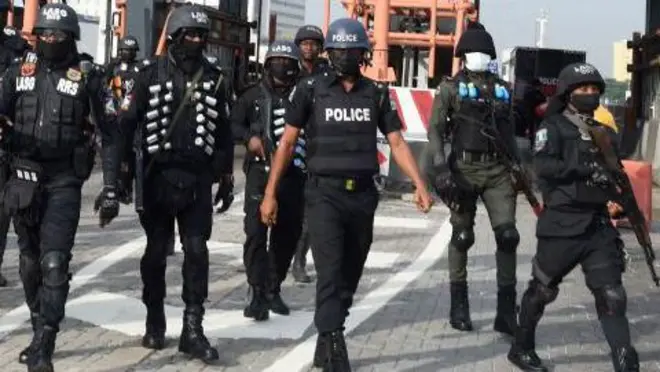
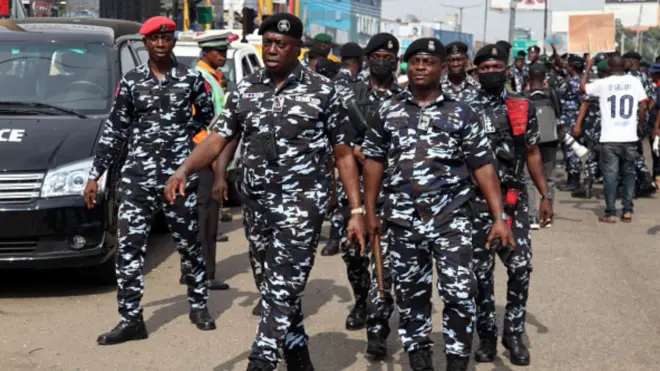
Di Nigerian House of Representatives, di lower house of parliament, don pass di bill for di establishment of State Police.
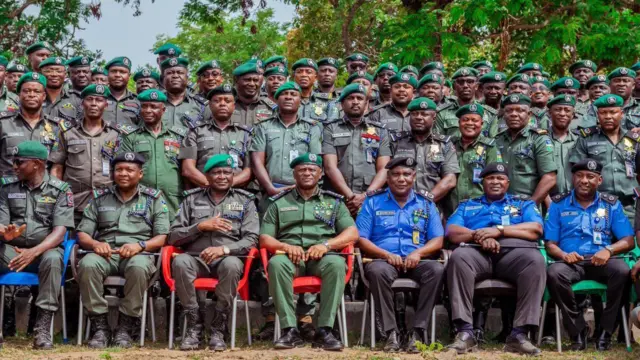
Dis go make way for di decentralisation of Nigeria police system through fundamental restructuring wit di creation of both Federal and State Police formations.
Di bill wey dey titled "A Bill for an Act to Change di Constitution of di Federal Republic of Nigeria 1999 to Provide for di Establishment of State Police; and for Related Matters (Sixth Alteration) Bill, 2026," witness 288 lawmakers vote in favour, while four lawmakers vote against am.
Dis passage mark ogbonge step for di long-running debate ova decentralising policing and tackling insecurity.
Di vote on di State Police Bill na in response to di recent rise in killings, kidnappings, and bandit activities for di kontri.
Wetin dey inside di bill
Under di newly passed bill, di Federal Police go only intervene for state internal security affairs only for cases of complete breakdown of law and order, and e go be upon di request of a governor, or wia di State Police force no fit function sake of administrative, financial or oda challenges.
Di bill also propose significant changes to di appointment and command structure of di police.
For di bill, di President go appoint di Inspector-General of Police, on di advice of di National Police Council from among serving members of di Federal Police, subject to confirmation by di National Assembly.
Na state govnor go appoint di State Commissioner of Police on di advice of di National Police Council from among serving members of di State Police, subject to confirmation by di State House of Assembly.
Under di new legislation, govnors get di power to issue lawful directives to State Commissioners of Police on matters wey relate to public safety and order.
But wia di commissioner believe say dat kain directives dey unlawful or no dey consistent wit accepted policing standards, dem fit refer di mata to di National Police Council, and dia decision go be final.
However, di bill go still need di vote and passage of di Senate. E gatz also dey endorsed by at least two-thirds of di State Houses of Assembly for Nigeria, bifor di President go fit give im assent to bicom law and part of di Constitution.
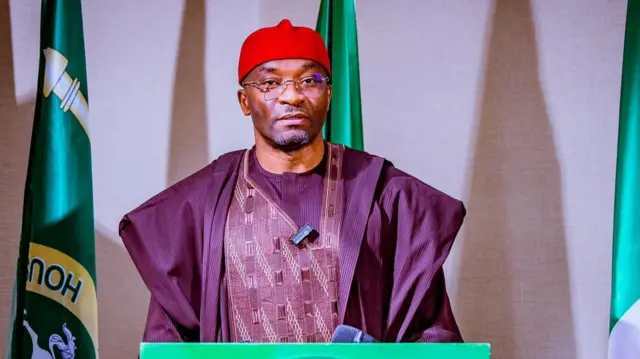
Deputy Speaker of di House of Reps, Benjamin Kalu, tok say dis constitution amendment process don pass through plenti consultation, scrutiny, and bipartisan collaboration.
Kalu tok ahead of di vote: "As di House dey prepare to vote, we remain guided by our constitutional responsibility to strengthen democratic governance, deepen federalism, promote inclusion, enhance security, and build institutions wey go fit meet di demands of a modern and prosperous nation."
Wetin be dis State Police Bill?
Wia dis foto come from, Benjamin Kalu/Facebook
E get at least two constitution amendment bills wey concern di decentralisation of di current Nigeria Police Force wey dey for Section 214 of di 1999 Constitution, to make room for State Police.
Di major aim of di bills na to remove di police from di exclusive list and put am for di concurrent list of di laws of Nigeria.
Items wey dey for di exclusive list na tins wey only di federal govment get power to handle, organise and regulate, but items for di concurrent list na tins wey both di federal govment and state govments fit chook mouth.
For example, for February dis year, President Tinubu sign di new electricity bill into law, removing electricity from di exclusive list to di concurrent list, wey mean say different states now get power to generate and distribute dia own electricity witout needing to rely only on di national grid.
States like Abia and Imo don since take advantage of dis new bill to set up dia own electricity companies and start to dey generate dia own power.
For dis new bills, dem define State Police as law enforcement agency wey dey established to "operate specifically for di state level, to maintain law and order wihtin dia jurisdiction".
One of di bills for State Police na Senate Bill (SB) 248 by Ajibola Bashiru of Osun State.
Dis bill want make dem change di name of di Nigeria Police Force to di Nigeria Police Service, and allow di creation of State Police, State Police Councils and State Police Service Commissions, just like e be for di federal level.
According to di bill, both di National Assembly and di State House of Assembly go get powers to make law on di creation, formation and control of di police for di respective levels.
Di State Police Council go get di duty of supervising and organising di activities of di State Police, and also na dem go advise on who to appoint as di State commissioner of police; while di State Police Service commission go get disciplinary powers ova members of di state police.
Di oda bill wey concern di police na SB 306 by di Senate majority leader Opeyemi Bamidele. Dis one seek to comot di word 'force' from di Nigeria Police Force, and just leave di name as di Nigeria Police.
Oga Bamidele say dis go reflect di core mandate of di police to provide "civil services" to di citizens of Nigeria.
Di bill also want di appointment of di Inspector General of Police to dey subject to di approval of di Senate.
For di House of Reps, di bills dey co-sponsored by di Deputy Speaker Benjamin Kalu and 14 oda members.

Wia dis foto come from, Opeyemi Bamidele/Ajibola Bashiru/Facebook
Di tok about State Police for Nigeria don tey wen e start, but one of di biggest worry be say state govnors fit use di State Police to carry out dia own personal agenda, intimidate political opponents, and even use dem to do wuruwuru during elections.
However, sponsors of di State Police Bill say dem put some kain safeguards wey go make sure say govnors no get 100 percent control to use di State Police as dem want.
Some of dis safeguards na:
- Even though na govnors go dey appoint commissioners of police for di state, di appointment go be by di recommendation of di Federal Police Service Commission and di State Houses of Assembly gatz approve am.
- State Commissioners of Police fit report alleged unlawful directives from dia govnor to di State Police Service Commissions for review.
- Di Federal Police Service Commission go still get authority to make sure say evri State Police dey follow di correct standard of policing. Dem go also dey supervise compliance and dem go dey review di operations of di State Police from time to time.
- If complete breakdown of law and order for any state dey wey di State Police no fit handle, di federal police fit come in if di state govnor invite dem to intervene.
- Di State Police Service Commissions go dey made up of members from di National Human Rights Commission, di Nigerian Bar Association, di Nigerian Labour Congress, di Public Complaints Commission, retired police officers, and journalists.
But some critics tok say even wit dis measures, state govnors go still find way to abuse di state police structure to dia own advantage.
Some suggest say more measures suppose dey in place inside dis bill, like clear provisions for di constitution against partisanship for police work; to establish a clear use-of-force standards for di kontri; and compulsory independent auditing of State Police operations from time to time.