Talking about your pets
If you want to say what pets you have, you need the verb Check your connection, refresh the page and try again. (to have).
First subject pronouns go before the verb to tell us who is doing the action, like ‘I’ in English:
| French | English |
|---|---|
| Je | I |
| J’ (in front of a vowel or the letter h) | I |
| Tu | You |
| Elle | She |
| Il | He |
Then add the correct form of the verb avoir. Can you spot how the spelling of avoir changes as the person doing the verb changes?
| French | English |
|---|---|
| Check your connection, refresh the page and try again. | I have |
| Check your connection, refresh the page and try again. | You have |
| Check your connection, refresh the page and try again. | She has |
| Check your connection, refresh the page and try again. | He has |
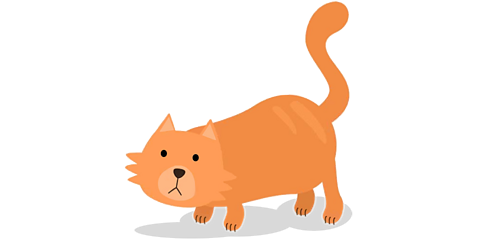
For example:
Check your connection, refresh the page and try again. – I have a cat
Check your connection, refresh the page and try again. – You have a rabbit
Check your connection, refresh the page and try again. – She has a mouse
Now you try
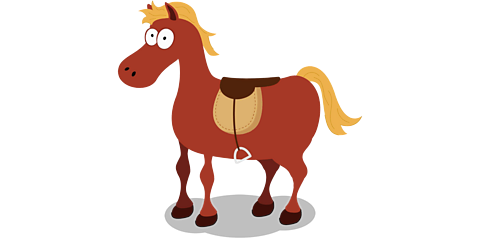
Try using Check your connection, refresh the page and try again. to make sentences with the lists of animals below.
Note that in French, nouns are grouped into either masculine or feminine nouns, so the word for ‘a’ in French is
Check your connection, refresh the page and try again. for masculine nouns
Check your connection, refresh the page and try again. for feminine nouns
You can learn more about masculine and feminine nouns in Indefinite and definite articles.
| Masculine nouns | English | Feminine nouns | English |
|---|---|---|---|
| Check your connection, refresh the page and try again. | a cat | Check your connection, refresh the page and try again. | a spider |
| Check your connection, refresh the page and try again. | a dog | Check your connection, refresh the page and try again. | a mouse |
| Check your connection, refresh the page and try again. | a horse | Check your connection, refresh the page and try again. | a tortoise |
Using the negative
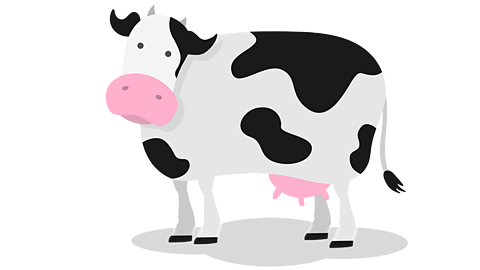
To say you don’t have any pets, you need to use the negative form of the verb.
Look at the positive and negative statements below. Can you spot the differences?
Positive:J’ai un animal – I have a pet
Negative:Je n’ai pas d’animal – I don't have any pets
To turn a positive statement into a negative one, follow these three steps:
- Add ne or n’ (before a vowel) in front of the verb avoir.
- Add pas after the verb.
- To say ‘any’, you replace the indefinite article (un / une) with de or d’ (before a vowel).
Try making your own negative statements with some of the animal words above. Here are some examples to get you started:
| French | English | French | English |
|---|---|---|---|
| Check your connection, refresh the page and try again. | I have a cat | Check your connection, refresh the page and try again. | I don’t have a cat |
| Check your connection, refresh the page and try again. | I have a dog | Check your connection, refresh the page and try again. | I don’t have a dog |
| Check your connection, refresh the page and try again. | I have a mouse | Check your connection, refresh the page and try again. | I don’t have a mouse |
Talk about other animals
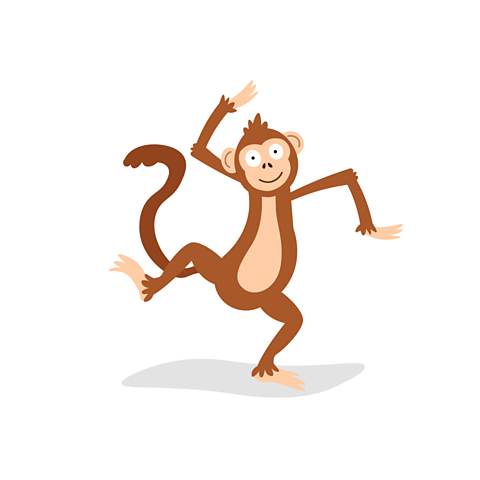
To ask what something is, you can say Check your connection, refresh the page and try again. – What is it?
To answer, use Check your connection, refresh the page and try again. – it is.
Check your connection, refresh the page and try again. – It’s a monkey!
Check your connection, refresh the page and try again. – It’s a lion!
Check your connection, refresh the page and try again. – It’s a spider!
Check your connection, refresh the page and try again. is the word for ‘it’ and Check your connection, refresh the page and try again. is the word for ‘is’.
As ce ends with e and est also begins with a vowel, the e at the end of ce is replaced by an apostrophe to make it easier to say.
Ce + est = C’est
If you want to say ‘it’s not’, you use Check your connection, refresh the page and try again..
Like before to form the negative, you add n’ before the verb (as the next letter is a vowel) and pas after the verb:
Check your connection, refresh the page and try again. – It’s not a monkey
Check your connection, refresh the page and try again. – It’s not a lion
Check your connection, refresh the page and try again. – It’s not a spider
Try making your own phrases using c’est and ce n’est pas with the useful animal nouns below:
| Masculine nouns | English | Feminine nouns | English |
|---|---|---|---|
| Check your connection, refresh the page and try again. | an elephant | Check your connection, refresh the page and try again. | a whale |
| Check your connection, refresh the page and try again. | a lion | Check your connection, refresh the page and try again. | a goat |
| Check your connection, refresh the page and try again. | a bird | Check your connection, refresh the page and try again. | a giraffe |
| Check your connection, refresh the page and try again. | a monkey | Check your connection, refresh the page and try again. | a frog |
How to form plurals
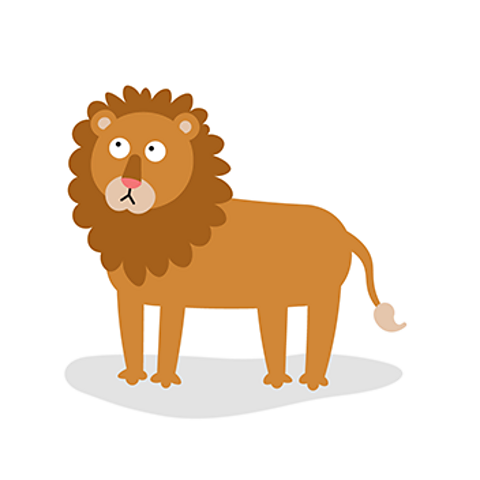
To talk about more than one animal, you usually add s at the end of the noun to make it plural.
To say ‘some’ instead of ‘a’, you replace un and une with Check your connection, refresh the page and try again. – some.
Check your connection, refresh the page and try again. (a cat) becomes Check your connection, refresh the page and try again. (some cats)
Check your connection, refresh the page and try again. (a dog) becomes Check your connection, refresh the page and try again. (some dogs)
Remember
There are exceptions to look out for when talking about more than one animal in French.
If the word ends in -al, the ending changes to -aux.
Check your connection, refresh the page and try again. (an animal) becomes Check your connection, refresh the page and try again. (some animals)
Check your connection, refresh the page and try again. (a horse) becomes Check your connection, refresh the page and try again. (some horses)
If the word ends in u, you add x instead of s.
Check your connection, refresh the page and try again. (a bird) becomes Check your connection, refresh the page and try again. (some birds)
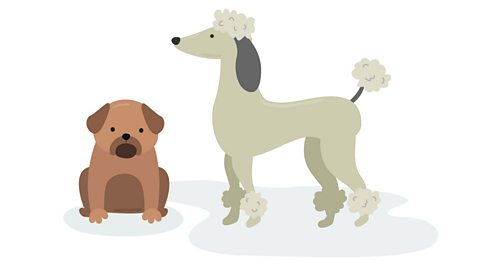
If you want to say what an animal is when there is more than one, you say Check your connection, refresh the page and try again. – they are.
Check your connection, refresh the page and try again. means ‘are’ and it is a form of the verb Check your connection, refresh the page and try again. (to be).
Check your connection, refresh the page and try again. – they are dogs
Check your connection, refresh the page and try again. – they are cats
Check your connection, refresh the page and try again. – they are birds
Check your connection, refresh the page and try again. – they are horses
Key French sounds
Below are some important French sounds that you have heard in this topic. Try practising them yourself out loud.
gn
The letters gn make the sound similar to that in the middle of the English word ‘onion’. This sounds like n followed by y.
Check your connection, refresh the page and try again. – spider
Remember that the e at the end of the word is silent.
il and ill after a vowel
When they appear after a vowel, the letters ill sound like the y sound in English.
Check your connection, refresh the page and try again. – a frog
Don’t forget that the e on the end of the word is silent.
ien
This makes two sounds: the French sound for i followed by the nasal sound for the letters in.
Check your connection, refresh the page and try again. – a dog
Quiz
Play Dash and Blink: Forgotten French! game
Construct simple phrases and develop an understanding of vocabulary and grammar with this KS2 French game.

More on French speaking
Find out more by working through a topic
- count3 of 12
- count4 of 12
- count5 of 12

- count6 of 12