What you need to know about hojicha
From matcha and ube to Dubai chocolate,‘fricy’ and more - there’s always a food trend taking over social media.
More recently, there’s a new drink obsession popping up on our online feeds, and that’s hojicha. Pronounced ‘hoh-jee-cha,’ it is now making its way onto more cafe menus on our high streets and has been the topic of many videos on the likes of TikTok and Instagram.
You may have already heard of it or even tried it for yourself, but what actually is hojicha? And how does it differ from matcha? Find out all this and more with this handy hojicha guide from BBC Bitesize!
What is hojicha?
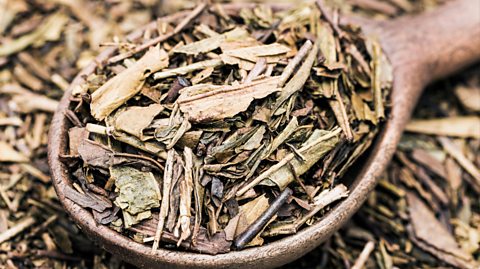
Hojicha is a traditional Japanese green tea that is dry roasted, instead of steamed at high temperatures.
To many, it may feel like a new phenomenon – but it originated in Kyoto, Japan, around a century ago in the 1920s. It is said to have been accidentally discovered by a local tea merchant who decided to roast leftover green tea leaves instead of wasting them, creating the tea now known as hojicha
Like other teas such as matcha, hojicha is cultivated from the tea plant Camellia sinensis. It is reddish-brown in colour as it is roasted as opposed to steamed.
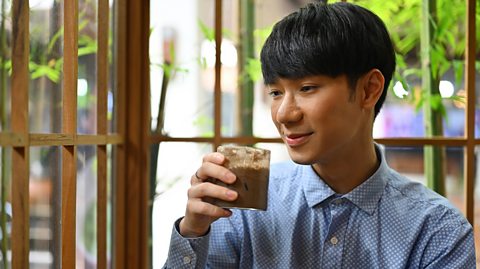
Hojicha can be drunk hot or cold and is typically a loose-leaf tea. However, powdered hojicha has become increasingly popular to create other drinks and desserts, such as the hojicha latte.
Does hojicha have caffeine?
Hojicha, like other forms of tea, does contain caffeine. However, the amount varies depending on several factors.
A substance found in teas, coffees and chocolate, caffeine acts as a stimulant for the human body and is one of the most consumed psychoactive substances in the world. Triggering activity in the central nervous system, caffeine can help us feel more alert and energised.
And while hojicha does contain it, it has much lower levels of caffeine than other forms of green tea, which is largely attributed to the roasting process and the types of leaves and stems commonly used to make it. It can be consumed throughout the day, but many hojicha fans opt to drink it in the evening as the caffeine content is significantly less than other drinks.
This is quite the opposite to coffee, which is a popular morning drink to get you feeling energised for the day. A typical cup of hojicha contains roughly 7-20mg of caffeine, depending on who makes it!
Is hojicha good for you?
Like many other green teas, hojicha contains a variety of antioxidants, such as catechins and polyphenols, which can have several benefits for your health.
Studies suggest catechins may help lower blood pressure and cholesterol levels, while polyphenols may help combat oxidative stress, which is an imbalance between free radicals and antioxidants.
The roasting process forms compounds known as pyrazines, which have been linked in some studies to relaxation and improved circulation. Hojicha also contains the amino acid, L-theanine which has been linked with improved concentration and alertness.
As mentioned, hojicha contains low amounts of caffeine. However, it is worth noting that like any caffeinated drink, it's important that it is consumed in moderation. If you overdo it on the caffeine, it can lead to issues like anxiety or insomnia.
What does hojicha taste like?
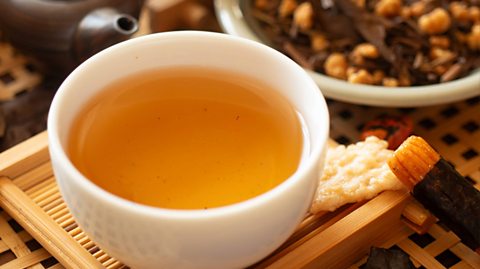
Hojicha is often described as having a distinctive aroma and an earthy, nutty flavour.
As it is dry roasted, many have described it as having notes of toasted nuts, caramel and even malt and coffee. To many, it tastes less bitter than a typical green tea.
However, like many drinks, its taste can be influenced by what you mix it with. A hojicha latte, for example, which contains milk, may have a sweeter flavour due to ingredients like syrup or honey being added.
How to make hojicha
How to make traditional hojicha tea
- Add 1-2 teaspoons of roasted hojicha loose-leaf tea to a teapot or tea infuser
- Pour freshly boiled water over the leaves
- Let the hojicha steep for around 30 seconds to one minute
- Strain the tea or pour it away from the leaves
- Pour the tea into your cup
Enjoy!
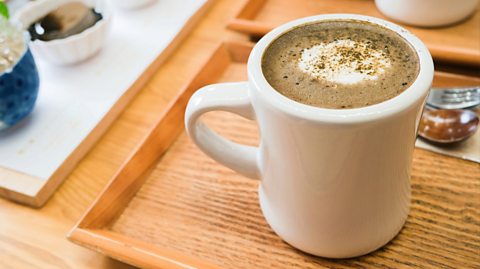
How do you make a hojicha latte?
- Sift 1-2 teaspoons of hojicha powder into a mug
- Pour in recently boiled water
- Add syrup to taste for a sweeter drink, or leave it unsweetened
- Whisk until smooth and slightly frothy
- Heat some milk until steaming
- Then, pour into your hojicha to create your very own hojicha latte
And enjoy!
Take care when handling hot drinks and boiling water.
What is the difference between hojicha and matcha?
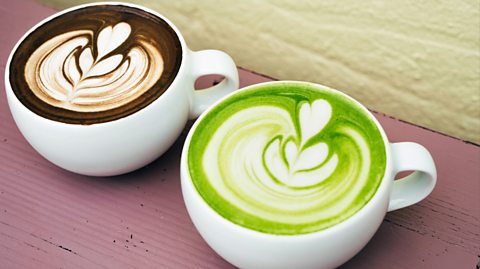
One of the most popular drink trends in recent years is without a doubt matcha. Made from ground, shade-grown green tea leaves, matcha is a bright green powder that is traditionally used in Japanese tea ceremonies.
Online trends on the likes of TikTok have seen matcha be used in an array of food and drinks and as of early 2026, matcha has also made it onto the menus of big brands like Greggs. But what is the difference between matcha and hojicha? Well, while they both originate from the same plant, they differ in the way they look and taste, primarily due to how they are processed.
Grown under the shade of bamboo mats, matcha is steamed and often described as having a grassy, earthy taste. It is also vividly green in colour.
Hojicha is relatively low in caffeine and roasted which it gives it a toastier, nuttier flavour and more red-brownish colour. Whereas matcha contains much higher levels of caffeine than other forms of green tea.
But which do you prefer?
This article was written in June 2026