It’s not always easy spotting fake news, but one person who knows what it’s like to be the subject of it is singer and Celebrity Traitors contestant Leigh-Anne Pinnock.
The former Little Mix star spoke to BBC Bitesize Other Side of the Story while promoting her solo album, and encouraged people to do their research when they see claims made about people on socials and some news sites.
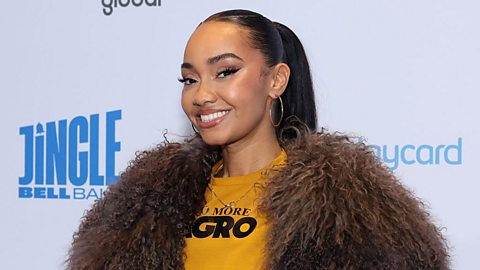
Leigh-Anne, who has almost 10m Instagram followers and more than 1.5m TikTok fans, told BBC Bitesize about the time a story claimed she had left a record label for a second time.
After Leigh-Anne left Warner, her first label, she revealed she had joined Virgin Music in May 2025. The star is still with Virgin, the label which appears on her new album, making it fake news.
Video: Leigh-Anne Pinnock talks fake news
Hi! I’m Leigh-Anne, and one story about me that wasn’t true that the press ran was that I had left my label for a second time.
I did a video, just explaining how I had left my first label, and they somehow twisted it and made it sound like I’d left the one I was currently at.
So yeah, I think it’s really important to make sure that you read the articles, but then don’t take everything at face value because… yeah, things can be twisted and manipulated. So it’s always really important to do your own research.
Tips on spotting if it's fake news or fact
Applying some critical thinking can help you tell if a piece of news is fake or genuine. As Leigh-Anne said: “Don’t take everything at face value because things can be twisted [and] manipulated, so it’s always really important to do your own research.”
Not sure about the type of research you need to be doing? Don’t worry. Other Side of the Story has its own guide on thinking like a journalist. It includes a few useful steps:
1. Where is the story coming from?
Is it from a reputable source or news site? Some sites specialise in ‘gossip’ and rumour style stories while others focus on the facts. It’s important to know the difference between the two.
2. Who is telling the story?
A report could come from an experienced, trusted journalist - or it could have been mistakenly shared by someone on social media who believed it was true. This is know as misinformation - when fake news is mistakenly shared. When someone knowingly shares fake news, it’s known as disinformation.
3. Check the facts
Have you seen this story anywhere else? Look around for other examples from other sources - and for direct quotes from the people involved.
4. Are experts talking about it?
There will always be other sides to a story, and it’s important to see if anyone else is discussing it and putting their trusted opinion forward.
5. Images
They can speak a thousand words with good reason. If a fake image has been used to make a story look authentic, or an existing image used out of context, you can always do a reverse image search to find out where it has appeared previously.
Want to test your own skills in spotting fake news? Try our regular quizzes.
This article was published in February 2026 and updated in October 2026.

Not sure if the news you’re seeing on social media is true or false? Can you always tell if the things you see online are real or fake?
Learn how to get the other side of the story with our quizzes, videos and explainers about media skills and viral trends including popular food myths.
Quiz: Can you spot the fake news stories from September 2026?
Can you tell fact from fake in this month's viral news stories?

What can The Celebrity Traitors teach us about unconscious bias?
How prior knowledge and experiences may be influencing the players' votes

Other Side of the Story
Back to our homepage for more quizzes and explainers about fake news, viral trends and media skills.