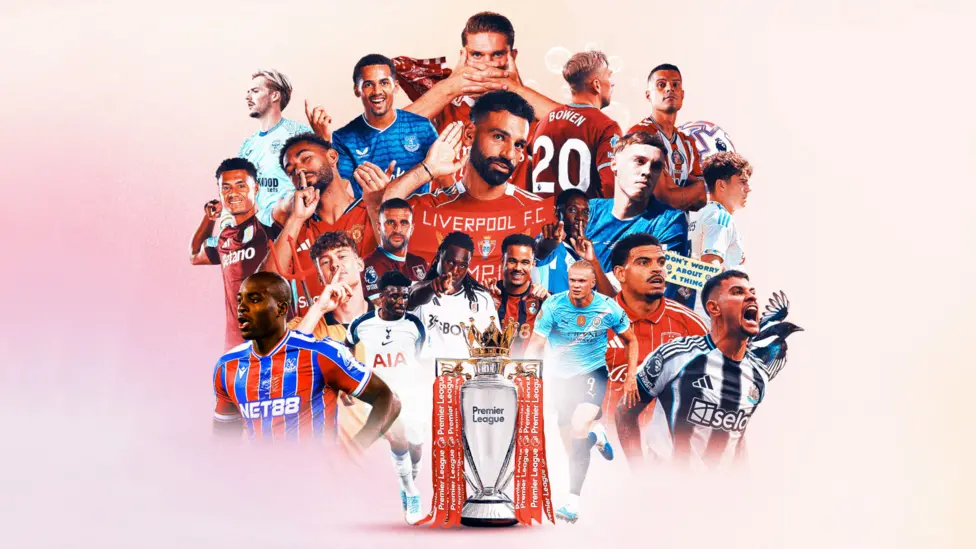
Record number of new managers for season like no other
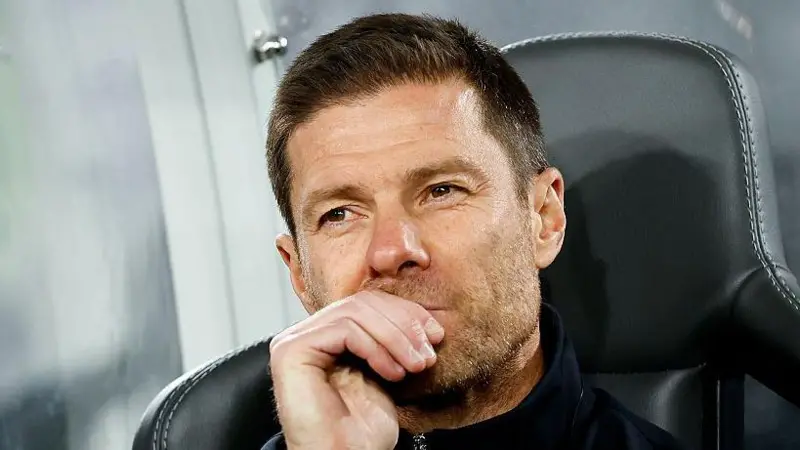
Xabi Alonso is one of nine new Premier League managers this season
- Published
The 2026-27 Premier League season has not yet kicked off, but it has already made history.
Nine clubs are set to begin the campaign with a new permanent manager - the highest number ever for the top flight's opening weekend.
From Liverpool and Manchester City to Newcastle United and Chelsea, change has swept across almost half the league.
Four pointers to most open Premier League title race in years
- Published30 July
Nine clubs, nine stories
The scale of turnover has dramatically reshaped the Premier League's managerial landscape.
Liverpool appointed Andoni Iraola after Arne Slot was sacked, while Manchester City hired Enzo Maresca following Pep Guardiola's resignation after a trophy-laden spell at the Etihad Stadium.
Chelsea opted for Xabi Alonso after Liam Rosenior's ill-fated spell came to an end, Bournemouth named Marco Rose following Andoni Iraola's contract expiry, and Nottingham Forest brought in Oliver Glasner after Vitor Pereira's dismissal.
Crystal Palace turned to Pierre Sage after Glasner left at the end of his contract, Fulham appointed Alvaro Arbeloa after Marco Silva's deal expired, while Ipswich Town named Gary O'Neil as successor when Kieran McKenna resigned.
Newcastle United are also expected to appoint Matthias Jaissle after Eddie Howe stepped down, taking the total to nine clubs beginning the season with a new permanent boss.
The previous record came in 2016-17, when eight clubs began the campaign under new management.
That summer included Guardiola's arrival at Manchester City and Antonio Conte's appointment at Chelsea, with the Italian going on to win the title in his first season.
Before that, seven clubs changed manager before the 1995-96 season, while six did so in 2012-13.
A changing of the guard
Arsenal's Mikel Arteta, appointed in December 2019, is now the league's longest-serving manager despite having been in charge for less than seven years.
Only Atletico Madrid's Diego Simeone, who has led the Spanish side since December 2011, has been in charge of a club for longer across Europe's five major leagues.
Closer to home, Aston Villa's Unai Emery and Leeds United's Daniel Farke have been with their current clubs for more than three seasons, while Sunderland boss Regis le Bris, appointed in July 2024, is already the fourth longest-serving manager in the division.
Manchester United boss Michael Carrick illustrates just how quickly things have changed. Although he became the club's permanent manager in May after taking interim charge in January, only 10 Premier League managers have been in post longer than him.
Carrick is also United's seventh permanent manager since Sir Alex Ferguson retired in 2013.
Tottenham Hotspur's Roberto de Zerbi, appointed in March, is only one place further back.
New boss Maresca is perfect for Man City - Gvardiol
- Published2 August
Will the 'new manager bounce' survive?
Another sub-plot this season will be whether the traditional 'new manager bounce' still exists.
The theory suggests teams often enjoy a short-term improvement after appointing a new head coach, helped by renewed motivation, tactical tweaks and a psychological reset.
This season the concept could be tested like never before. Matchweek one is expected to feature three fixtures between clubs led by new managers - Fulham against Chelsea, Manchester City versus Bournemouth, and Liverpool travelling to Newcastle - with each of those teams adapting to new tactical ideas and coaching methods simultaneously.
Liverpool's start is particularly unusual. Iraola's first six Premier League matches will all come against teams under new permanent managers, with Forest, Ipswich, Fulham, Bournemouth and Manchester City following Newcastle.
Who will define next Premier League era?
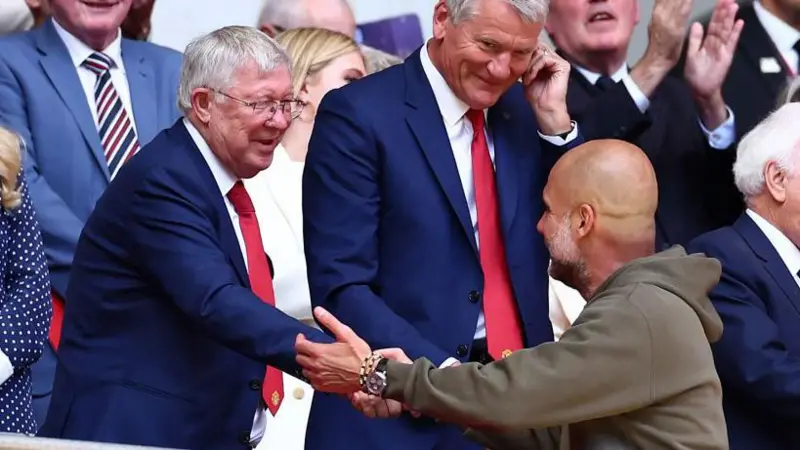
Sir Alex Ferguson and Pep Guardiola won 19 Premier League titles between them
For the first time since 1985-86, England's top flight will begin without Sir Alex Ferguson, Arsene Wenger, Jose Mourinho, Jurgen Klopp or Guardiola occupying a dugout.
Between them, they have won 26 of the league's 34 titles.
More than that, they defined successive generations of English football. Ferguson's relentless United sides set the standard during the Premier League's formative years before Wenger transformed perceptions of preparation, sports science and nutrition at Arsenal.
Mourinho introduced a new level of tactical pragmatism and psychological warfare, Klopp's high-intensity pressing reshaped Liverpool, and Guardiola's positional football established one of the most dominant teams in English football history.
Only Ferguson, Mourinho and Guardiola have successfully defended a Premier League title, a feat Arteta now has the chance to emulate after leading the Gunners to the championship last season.
His traditional rivals all begin the campaign under new managers, while Carrick starts his first full season as the Red Devils head coach.
Time will tell if the next defining figure emerges immediately. But with the managers who shaped more than three decades of Premier League history now gone, the 2026-27 season marks the beginning of a new chapter.
Does changing manager guarantee success?
The upheaval did not begin this summer. The 2025-26 Premier League season featured 11 managerial changes, with Forest among the clubs to make multiple appointments during the campaign.
The average tenure of a top-flight boss now stands at about 20 months, illustrating just how fleeting life in one of football's most demanding jobs can now be.
Recent history also suggests changing manager offers no guarantees. During the 2025-26 season, several clubs that switched coaches continued to struggle. Forest employed three managers during the campaign, Tottenham changed head coach twice, while Chelsea also altered direction before the season ended.
Others, however, did enjoy an immediate uplift. Carrick averaged 2.6 points per game across his first five matches as United boss, while Rosenior collected the same return after taking charge of Chelsea. Rosenior's tenure ultimately proved short-lived, though, with the Blues winning just one of his final eight Premier League matches before he was dismissed.
Research discussed in the Financial Times, external, drawing on findings from Soccernomics by Simon Kuper and Stefan Szymanski, argues that player quality and spending remain stronger predictors of results than managerial changes alone.
Sports consultancy Twenty First Group says coaches often succeed or fail according to the environment they inherit as much as their own abilities.
Since the Premier League began in 1992, only six managers have won the title in their first season in charge of their club.
Mourinho became the first to achieve the feat with Chelsea in 2004-05, before Carlo Ancelotti repeated it with the same club in 2009-10.
Manuel Pellegrini guided Manchester City to the title in his debut campaign in 2013-14, Claudio Ranieri masterminded Leicester City's remarkable triumph in 2015-16, Conte won the league in his first season at Chelsea in 2016-17, and most recently Slot led Liverpool to the championship in his maiden campaign in 2024-25.
With almost half the division beginning the campaign under new leadership, the Premier League enters one of its most unpredictable seasons in recent memory.