Uruguay's water referendum
In 2004, Uruguayans voted to enshrine water as a human right in their constitution, the first country in the world to do so.
On 31st October 2004, Uruguayans voted to enshrine water as a human right in their constitution, the first country in the world to do so.
The so-called water referendum was organised by an alliance of residents' associations, trade unions, scientists, and environmentalists.
Campaigners on horseback criss-crossed the country, they held community meetings in towns and villages across Uruguay and collected 283,000 signatures, the number required to make the government hold a plebiscite, which they overwhelmingly won.
The campaign began when two local water companies were privatised and residents complained that those who could not afford the fees were cut off from the water supply.
Six years after Uruguay’s referendum, the United Nations General Assembly declared water and sanitation a universal human right and 30 countries have since included the right to water in their constitutions.
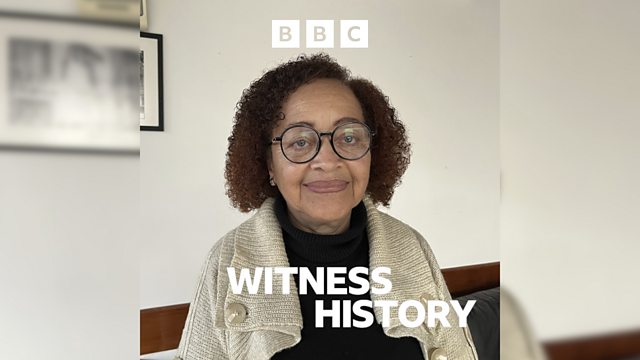
Carmen Sosa, a member of the water workers trade union, tells Grace Livingstone how they galvanised the country.
Witness History is a short BBC World Service podcast about history that takes you inside big moments from the past through first-hand testimony and archive. Each weekday, in around nine minutes, we revisit one moment that helped shape the world and hear it through the voice of someone who was there. Scientists, artists, campaigners, soldiers, leaders and everyday people tell their true stories.
When you subscribe to Witness History, you’ll be taken inside turning points in world affairs from West Africa’s fight back against Boko Haram in 2015 to the behind-closed-doors talks that led to the US-Cuba “thaw” and the surprise announcement of restored relations.
You’ll discover what it was like to experience disasters and how people recovered from them, including the Tabasco floods in Mexico, Portugal's worst train disaster, and the huge clean-up after the Chernobyl nuclear disaster.
You’ll explore culture and ideas too: Sweden’s Expedition Robinson, often credited as the first modern reality TV game show; the friendship between The Beatles’ George Harrison and Indian sitarist Ravi Shankar; and the night a tiger attack brought Las Vegas superstars Siegfried and Roy’s show to a sudden end.
And if you’re curious about inventions, we’ll tell you how air fryers, BlackBerry, YouTube, Alexa, GPS, superglue, the shopping cart (shopping trolley) and bubble tea were created.
If you’re new to Witness History, the appeal is simple: real voices, one strong true story, and a fresh way to understand today through events from history – all in the time it takes to enjoy a cup of tea or a walk around the block. Join millions of BBC World Service podcast listeners around the globe and enjoy the insight, context and detail Witness History will bring you.
(Photo: Carmen Sosa. Credit: Grace Livingstone)
On radio
Broadcasts
- Mon 24 Aug 202607:50GMTBBC World Service
- Mon 24 Aug 202611:50GMTBBC World Service
- Mon 24 Aug 202617:50GMTBBC World Service except East and Southern Africa, News Internet & West and Central Africa
- Mon 24 Aug 202621:50GMTBBC World Service East and Southern Africa & West and Central Africa only
- Tue 25 Aug 202602:50GMTBBC World Service except East and Southern Africa, East Asia, South Asia & West and Central Africa
Podcast
![]()
Witness History
The story of our times, told by the people who were there