Euthanasia in Spain: Whose life is it anyway?
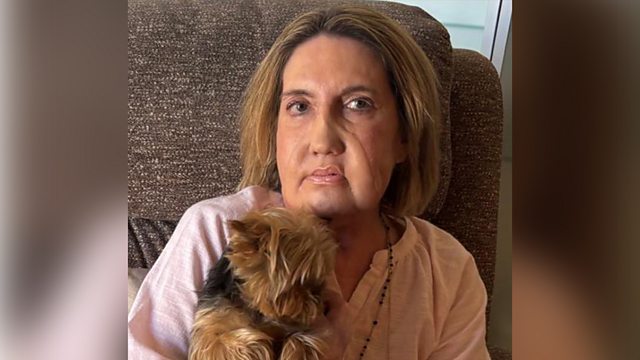
Twenty-five-year-old Noelia Castillo died by lethal injection. Her father fought in the courts for nearly two years to stop her euthanasia.
In March this year, 25-year-old Noelia Castillo died by lethal injection. Her father had fought in the courts for nearly two years to stop her euthanasia. Noelia applied for assisted dying because she had been left paraplegic, debilitated and in pain after a suicide attempt. Her case dominated Spain’s headlines for months. And the debate about who has the right to challenge an adult’s decision to have euthanasia has not gone away. In May, the Supreme Court ruled that those with, ‘a particularly close connection’ to the person wanting to die may have the right to contest an application for euthanasia.
But there are families unsettled by the Supreme Court’s ruling. When Puri and Salvador’s daughter, Ana, chose assisted dying at the age of 28 they didn’t think about intervening in her decision,…because she was an adult, because she was independent,” says Puri. Ana had been born with Spina Bifida and became increasingly unwell with neuropathic pain that is difficult to treat.
Something that gave Puri and Salvador immense comfort after they lost their daughter was the knowledge that Ana’s organs were donated (with Ana’s permission) to keep others alive. And it’s the issue of organ donation that is helping to keep the euthanasia story in the news in Spain. Noelia’s mother, Yolanda Ramos, claims her daughter was under pressure to commit to donating her organs. And the anti-euthanasia Foundation of Christian Lawyers in Spain (Fundacion Espanola de Abogados Cristianos) that has represented both of Noelia’s parents is advocating a ban on organ donation in euthanasia cases. Why does this matter?
More episodes
Featured
.
Podcast
![]()
The Documentary Podcast
Hear the voices at the heart of global stories

Related Content