What has the BBC ever done for me?
There is a BBC for each of us, funded by all of us - and should continue to be. This is our BBC.
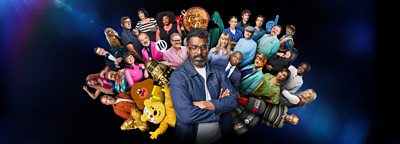
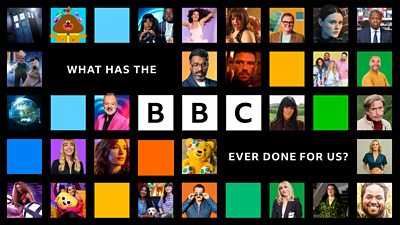
'What has the BBC ever given us?' That's the question we answered in 1986, showing the depth and breadth of the BBC's offering, from programmes to services and beyond in a special advert.
Now, 40 years on, the way people watch, listen to and consume media has changed. The BBC has changed too, but audiences remain at the heart of everything we do. And with 94% of UK adults using our services on average per month (81% per week), we continue to deliver on our public service mission.
That's why we're making the case for a publicly funded BBC - with a little help from Romesh Ranganathan (and a few familiar faces), as he asks 'what has the BBC ever done for me?'
The answer isn't simply a list of programmes. It's the unique role the BBC plays in connecting us, informing us, entertaining us and reflecting the lives of people across the whole of the UK.
There is a BBC for each of us, funded by all of us - and should continue to be. This is our BBC.
What has the BBC ever done for me?
I really do feel strongly that we should have a BBC and I think that there is nothing else that does what the BBC does.
"I strongly, strongly believe that the BBC should exist and look, don't get me wrong, I don't think it's without its flaws," says Romesh.
"There have definitely been times and issues where I wished it could have dealt with things differently - but I feel incredibly passionate about the fact that we should have it and it adds so much to our lives. And I'm really proud of it.
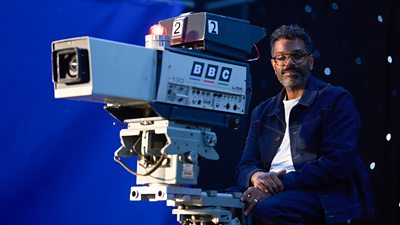
And so when I was asked to front this film, first of all, I was very surprised that they’d chosen me and very honoured but I thought it was a no-brainer, really. I really do feel strongly that we should have a BBC and I think that there is nothing else that does what the BBC does.
"I grew up watching children's television and one of my earliest memories is probably Newsround with John Craven. I watched Blue Peter and we always had the BBC on in my house."

There are very few organisations whose mission is to serve everyone, regardless of where they live, what they do or what they’re interested in
"What is the BBC for? Why does it matter? And what would we lose without it? The answers will be different for everyone," Chief Customer Officer Kerris Bright explains.
"For some, it is the trusted news they turn to when the world feels uncertain. For others, it is the local radio presenter who feels like a friend, the drama everyone is talking about, a children's programme that becomes part of family life, educational resources helping young people learn, or major sporting moments that bring millions together.

"Given the huge range of things the BBC does, deciding what to feature in this campaign was no easy task. We used audience research to help identify the programmes, services and initiatives that resonate most strongly with viewers, listeners and users today – from Bitesize to The Traitors – while also reminding audiences of some of the things the BBC provides that they may not immediately think about.
"That felt particularly important because there are very few organisations whose mission is to serve everyone, regardless of where they live, what they do or what they’re interested in.
"In 1986, there were two national television channels. Today there are eight. There were four national radio stations; today there are 10, alongside national services for Scotland, Wales and Northern Ireland and 39 local radio stations across England.
"We have created services that simply did not exist when John Cleese walked into that pub: iPlayer, Sounds, Bitesize, CBeebies, the BBC website and a range of digital services that reach audiences around the world."
- Read more from Kerris Bright about why we're asking the question and learn how the film came to life
What has the BBC ever done for the UK?
For over 100 years the BBC has shaped who we are as a country and how the world sees us.
It is a vital national asset – one that belongs to everyone in the UK and represents a shared investment in our culture, our communities, our economy and our democracy at a time when this has never been more needed.
As the world changes, the role the BBC plays for the UK is changing too.
In 2024/25, the BBC contributed £6.7 billion to the UK economy and supported more than 79,000 jobs. For every £1 the BBC spends, £3.49 is generated across the wider economy.
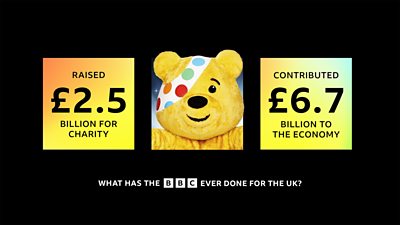
And as the UK's largest single investor in original content, we help support creative businesses, freelancers and production talent across every nation and region of the UK.
We want to offer outstanding value to all audiences in the years ahead whilst supporting the UK’s democracy, creative economy and society.
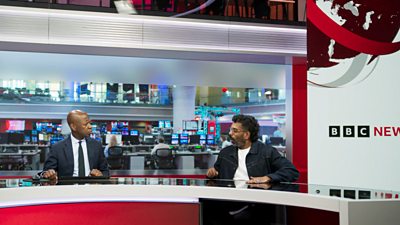
Pursuing truth with no agenda
Independent, fearless and fair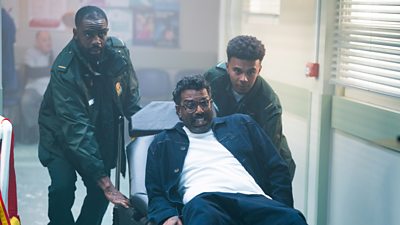
Backing homegrown storytelling
UK talent and creativity worldwide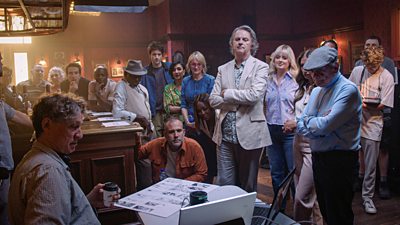
Bringing people together
Connections not division
Delivering across the UK
The BBC exists to serve all audiences across the UK
Our BBC, Our Future

In 2025 we undertook our biggest ever listening exercise through the Our BBC, Our Future questionnaire. This was designed to ensure that the voice of the audience is at the heart of the debate about the BBC’s future as we look ahead to the review of our Royal Charter beyond 2027.
In total, 872,701 account holders shared their views, giving us a powerful picture of what people across the UK want and need from the BBC as we reinvent what we do for the future.
What is the Royal Charter?
The Royal Charter is the constitutional basis for the BBC. It provides the legal right for it to exist and operate. It establishes the BBC’s Mission and Public Purposes, as well as important governance and regulatory arrangements, such as the role and composition of the BBC Board.
The current Royal Charter comes to an end on 31 December 2027.
The Government's Review of the BBC Royal Charter

This marks a critical moment for the BBC and for the whole of the UK’s creative sector.
In March 2026, the BBC published a 100-page response to the Government’s Green Paper Charter consultation setting out its vision to boost the UK’s creative economy, support democracy and give greater value to audiences.
Find out more about the Government’s Review of the BBC Royal Charter and download the BBC’s Response to the Government’s Charter Review Green Paper.
The future of the BBC - explore our impact across nine key sectors
During the consultation, the BBC published a set of nine impact briefings setting out the unique value the BBC provides in key sectors and content areas – Sport, News, Comedy, Music, Arts & Culture, Children’s & Education, Independent Producers, Science & Nature, and the BBC World Service.
The briefings aim to provide the public, and anyone considering engaging with the Charter Review process, a collection of key facts and statistics that offer more of an insight into the role the BBC plays at the heart of the UK’s world-class creative industries.

Arts and Culture
Providing unique value as the UK's biggest cultural partner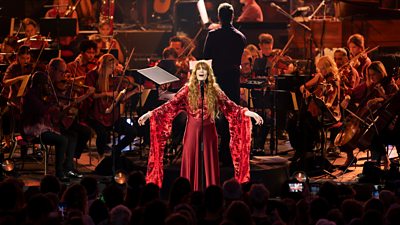
Music
At the heart of the UK music sector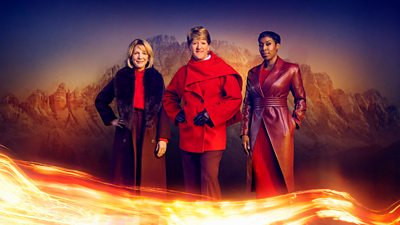
Sport
The UK’s most widely used sport service
News
The UK’s most trusted and widely used news provider
Science and Nature
The home of world class natural history programming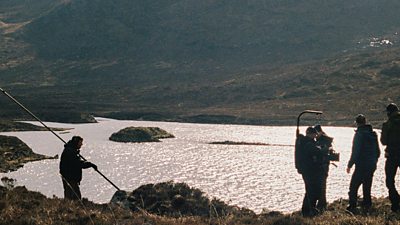
Independent Producers
Strengthening the sector by backing homegrown storytelling
Children’s & Education
The cornerstone of children’s media in the UK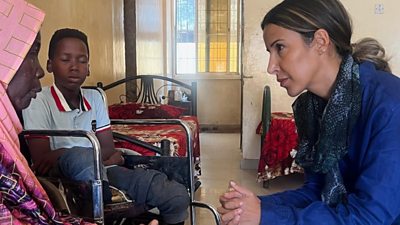
World Service
A priceless national asset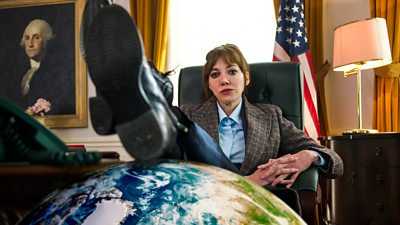
Comedy
A champion of British comedy excellence
Follow For More
Search by Tag:
- Tagged with Latest NewsLatest News
- Tagged with CorporateCorporate
