Policy reform to newsroom practice: Shaping Bangladesh’s media landscape
Amid constant pressure on media and political turmoil, meaningful media reform may feel nearly impossible. It takes courage and strategic action to spread the spark of reform in a complex media ecosystem like that of Bangladesh.
Talk of media reform began after Bangladesh’s Gen Z uprising in July 2024. But the first concrete initiative came with our Public Interest Media and Healthy Information Environments (PIMHIE) project, starting in 2025.
During the last 15 months, we have reached more than 1,500 journalists across 50 television channels, top editorial leaders from 13 broadcasters, and worked directly with over 100 media stakeholders.
In December 2025 we marked a milestone with the launch of Bangladesh’s first Code of Ethics for Broadcast Journalists. Shared with over 1,400 journalists, we followed it with orientation sessions within the country’s major television channels to help integrate ethical standards into everyday newsroom practice.
Our PIMHIE project also supported a joint study into workplace sexual harassment, conducted by WAN-IFRA Women in News; City St George’s, University of London and BBC Media Action. It found that 17 per cent of media professionals experienced workplace sexual harassment in Bangladesh with female journalists and media professionals facing six times more than their male colleagues. Many media outlets in the country lack proper reporting mechanisms And employers failed to take action in 43 per cent of reported cases, the study reveals.
To make newsrooms safer and to encourage stronger, trustworthy journalism, BBC Media Action also developed Bangladesh’s first-ever Sexual Harassment Response Protocol for Newsrooms under the PIMHIE project, launched in March 2026. To ensure practical implementation, 20 journalists were trained as responders and informed bystanders, and partnerships with legal and psychosocial support organisations established to provide assistance.
Ahead of Bangladesh’s 13th National Parliamentary Election, PIMHIE also strengthened media outlets’ election reporting, supporting revisions to election reporting guidelines and developing an open-access Election Reporting Handbook and 30 digital information cards for field reporters. Several of our recommendations were reflected in revised media guidelines issued by the National Election Commission in January 2026.
Beyond newsroom tools, the project helped shape an eight-point media reform agenda, with several priorities later reflected in political party manifestos. And we have worked to strengthen the Broadcast Journalists Centre to help ensure that media reform efforts continue.
Designed to strengthen public interest media during a period of political and technological transition, the project leaves stronger partnerships and practical tools to support media reform and ethical journalism in Bangladesh.
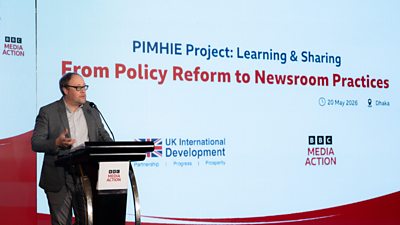
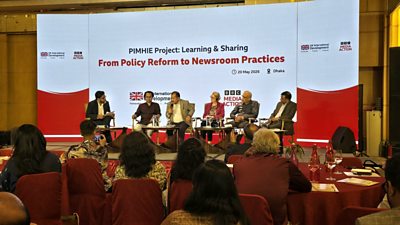
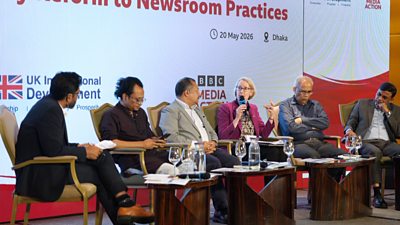
Our PIMHIE Learning Sharing: From Policy Reform to Newsroom Practice event in Dhaka brought together policymakers, journalists, media leaders, civil society representatives and development partners to reflect on progress and chalk out the way forward.
The event featured a high-profile panel discussion moderated by BBC Media Action Bangladesh Country Director and Asia-Pacific Regional Director Md. Al-Mamun. Key guests included British High Commissioner to Bangladesh Sarah Cooke, Information Minister Zahir Uddin Swapan, MP, and the Prime Minister’s Adviser Dr Zahed Ur Rahman. Former Media Reform Commission Head Kamal Ahmed and Broadcast Journalist Center-BJC Chairman Fahim Ahmed also joined the panel, before an audience of editors, journalists, media personalities, development partners, policymakers, civil society representatives, diplomats and UN representatives.
“Media reform is not the government’s responsibility alone, it is a joint responsibility of the government, media, development partners and civil society. The government will work as a stakeholder in this sector and also play the role of coordinator on behalf of the state,” Information Minister Zahir Uddin Swapan said.
PIMHIE’s legacy lies in the growing momentum for a healthier information environment, one that connects policy reform with newsroom practice and supports journalism as a cornerstone of Bangladesh’s democratic future.
PIMHIE was funded by the UK’s Foreign, Commonwealth & Development Office (FCDO).
Latest news from Bangladesh
Our projects in Bangladesh
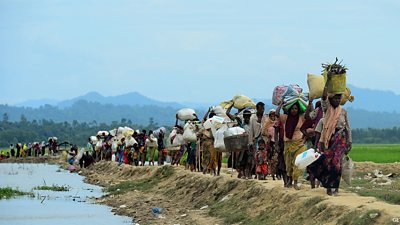
Responding to the Rohingya emergency in Bangladesh
We’re supporting local radio partners to produce a dedicated Lifeline radio programme for Rohingya people and host communities in living in Cox’s Bazar.
Protecting independent media for effective development
We are working with media support organisations and local partners to find out how best to support public interest media in Sierra Leone, Ethiopia and Bangladesh.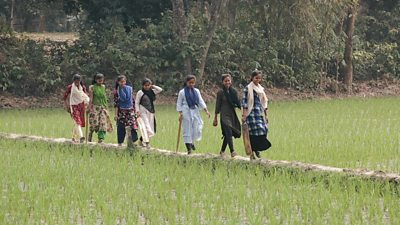
Hello I Am - challenging child marriage in Bangladesh
Watch our films with Rutgers showing how girls are breaking down barriers, in school and on the cricket pitch.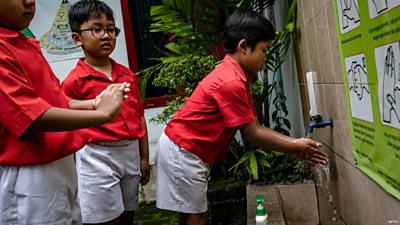
Communication to counter the COVID-19 ‘info-demic’
BBC Media Action launches new project in Asia to tackle the spread of mis- and dis-information around COVID-19 (coronavirus) which is as harmful as the disease itself.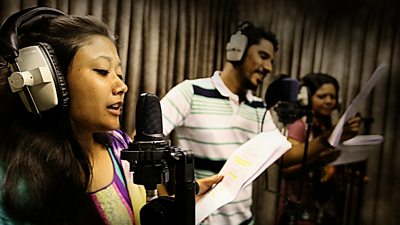
Generation Breakthrough: Using radio to encourage healthy relationships in Bangladesh
Engaging a young people with a range of social and health related topics through a weekly radio show radio Dosh Unisher Mor (Crossroads at 10 to 19).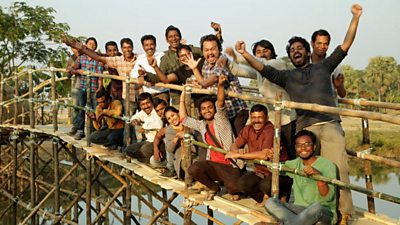
Preparing for and responding to disasters in Bangladesh
BBC Media Action and its partners are helping the public prepare better for future disasters as well as providing timely, accurate and useful information in times of crisis.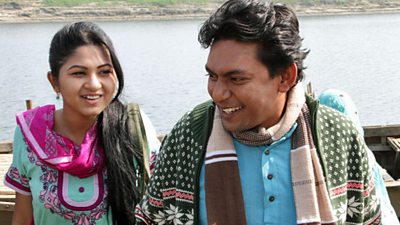
TV drama on maternal and newborn health in Bangladesh
Through a major TV drama series, a radio magazine show, public service announcements and communication skills training for community health workers.
Debate programme Sanglap
Sanglap (Dialogue), was a political discussion TV show enabling Bangladeshis from all walks of life to question their leaders on the issues that mattered to them.

Search by Tag:
- Tagged with BangladeshBangladesh
- Tagged with AsiaAsia
- Tagged with Media developmentMedia development
