Lessons from an epidemic
As a new Ebola outbreak takes hold in DRC, and misinformation spreads, here's how media can help
The scenes emerging from the current Ebola outbreak in Democratic Republic of Congo are all too familiar: families desperate to get to their loved ones, and rumours that Ebola is a hoax or that health workers are fabricating explanations. A charity survey has suggested that one in three people at the heart of the outbreak – which has killed at least 250 people – do not believe Ebola is real.
Just over a decade ago, our team in Sierra Leone worked to counter the same kind of dangerous rumours and misinformation, amid the devastating West African Ebola epidemic which the WHO reported killed over 11,000 people.
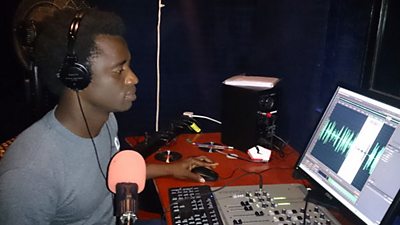
“There was a general sense of fear among the population, coupled with the low media capacity to lifeline programming. Faced with this, we designed a radio programme that did not only tackle the rumours and misinformation that complicated the response efforts but provided audiences with accurate and actionable information to keep them safe,” said Musa Sangarie, now our Sierra Leone country director, who was Ebola response programme manager at the time.
One memory was people calling each other late at night to share a rumour that bathing in salty hot water could protect you. By the next day, the false rumour had swept across the whole country.
In 2014, as now in DRC, it quickly became clear that this was not only a public health emergency: it was an information emergency. Alongside the virus, fear, misinformation and misunderstanding spread rapidly. This influenced how people behaved and, in many cases, increased the risk of transmission.
The outbreak in DRC is considered to be the third-largest outbreak in history, and the WHO is reporting a death rate of 30-50 per cent. “It’s huge. It means that up to five out of 10 people are likely to die,” WHO researcher Anaïs Legand told reporters in Geneva. With cases also reported in Uganda, the risk of Ebola's spread remains high.
In such a health crisis, information is aid.
Our experience in West Africa offers practical lessons for future emergencies - from pandemics to climate crises, about how communication can help people make decisions that can save lives.
Start with what people don’t know
During the West Africa outbreak, people lacked basic understanding of the disease: how it spreads, its prevention, and how to treat those affected. In the absence of accurate information from trusted voices, rumours often filled the gaps, which encouraged fear, denial and harmful behaviour.
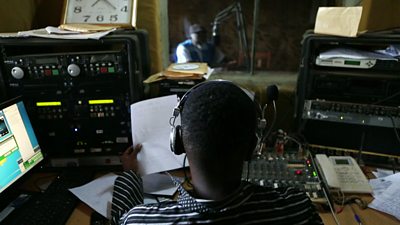
To counter this, it's important to identify the most critical knowledge gaps and adapt content for audiences accordingly. Localised content, when delivered through trusted voices like community leaders, health workers, survivors, local radio stations and other community channels, is often more trusted than through 'official' institutional channels.
Make information practical and actionable
Information and raising general awareness alone are not enough to change behaviour. People need clear, practical guidance they can act on. People need to know exactly what they need to do to help protect themselves - for instance, washing hands effectively, how and when to isolate and to seek treatment, and safe burial practices.
Information gives hope
In West Africa more than a decade ago, media programmes initially contributed to the fear about the deadly nature of the virus. As a result, many people turned away from treatment centres and instead sought alternative means of treatment – in many cases, further spreading the virus in their communities. Amid the fear, there was a need for hope that it was possible to survive the virus and protect loved ones with early reporting. By using testimonies from Ebola survivors, radio programmes helped to inspire hope and start to mobilise communities to seek early treatment.
Addressing cultural beliefs in tackling misinformation
The 2014-16 Ebola outbreak was shaped not only by the virus, but also by beliefs, traditions and emotions. Deep-rooted practices, such as burial rituals that include washing and touching of bodies, contributed to the spread of the virus. Medical professionals' refusal to release highly contagious bodies drove misinformation and rumour. And many rumours had dangerous consequences, from false cures to denial of the virus's existence.
Rather than directly dismissing local beliefs, we worked with local broadcasters to use storytelling, drama and trusted figures to explore existing beliefs and offer alternatives that were more culturally acceptable, alongside trusted community voices who could address and correct rumours.
Make two-way communication the norm
Communication is most effective when it’s a conversation, not a one-way broadcast.
Call-ins and direct messaging to radio shows, the use of vox-pops followed by on-air responses from experts, and initiating community discussions allowed people to ask questions, challenge rumours and share experiences. Interaction and feedback give people space for community voices, helping to build trust that led to changes in practice.
Invest in preparedness
Where time had been invested in building relationships with local media outlets, journalists and health authorities, responding to Ebola was faster and more effective. Establishing new relationships and connections with media outlets during a crisis consumes precious time, and trust takes time to develop.
The Ebola crisis showed that effective communication with accurate information is not an add-on to emergency response. It is a must.
When people have access to trusted information, they can make decisions that protect themselves, their families and their communities. From calling a hotline early to adapting daily life and rejecting harmful rumours – sharing the right information, at the right time, with the right people and in the right way can make all the difference.
Latest news from Sierra Leone
Our projects in Sierra Leone
Empowering adolescent girls in Sierra Leone
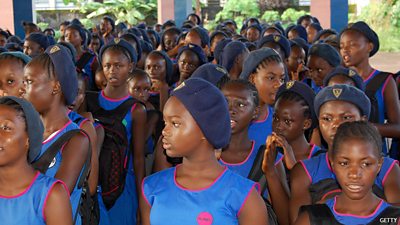
There are 32,500 girls in Sierra Leone aged 13-17 who are not in school. Our project called Every Adolescent Girl Empowered and Resilient (EAGER) aims to aid in their transition to education, training or employment and inspire hope for their future.
Protecting independent media for effective development
We are working with media support organisations and local partners to find out what works in supporting public interest media in Sierra Leone, Ethiopia and Bangladesh.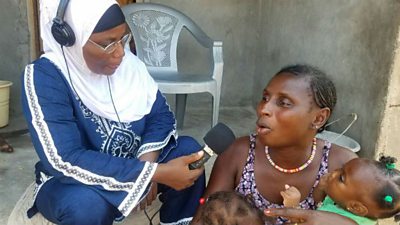
Protecting pregnant women and children from malaria in Sierra Leone
Using insight from our response to the Ebola outbreak we're building awareness about malaria for those most at risk, using radio, TV, social media and community outreach.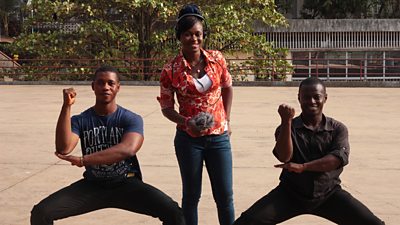
Using radio and television to inspire young people in Sierra Leone
Mi Stori (My Story) aims to inspire young people in Sierra Leone to be active, positive participants in their community through an interactive radio show and mini-documentaries championing positive role models.
Search by Tag:
- Tagged with Sierra LeoneSierra Leone
- Tagged with HealthHealth
- Tagged with AfricaAfrica
