
| Devon is now a "stronghold" for otters | |
| 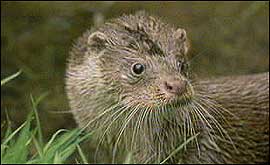 | | Otters are on the comeback trail! |
| | There's further evidence that the otter is making a steady recovery in Devon.
A new report suggests the creature is returning to our waterways after years of decline. |
| | | Devon - home of the famous "Tarka the Otter" - has become a stronghold for otters in Western Europe, according to a new report.
After decades of decline, the river creatures are returning to the county's waterways.
A report by the Environment Agency shows 83% of sites visited in the South West where otters have been known to live had signs of otter activity.
The recovery is being put down to better conservation efforts, and means the region is now a stronghold for otters in Western Europe.
The agency's report follows a study by the Wildlife Trusts, which also found that otters were making a comeback in Devon.
 | | Enhanced water quality is helping otters |
Their report said otters were spotted in waterways in: Honiton, Axminster, Okehampton, Ottery St Mary, Hatherleigh, Sidmouth, Newton Abbot, Tavistock, Ivybridge, Plymouth, Exeter, Bideford, Barnstaple, Plymouth, Lynton, Ilfracombe and Holsworthy.
Now, the Environment Agency's survey says there is further evidence of recovery.
However, many otters are still being killed on the region's roads and the agency says people cannot become complacent in keeping otter numbers at a healthy level.
Some 51 were killed on roads in the South West in 2002. Danger areas include the North Devon Link Road and the A396 along the Exe Valley.
The survey's author, Andrew Crawford, of the Environment Agency said: "The otter - one of our best-loved mammals - is on the road to recovery.
"Overall the survey suggests a real and continued increase in otter range, which in turn reflects a considerable increase in population."
But he added: "Despite the good news, we can't become complacent. Otters are not increasing as fast as we would like in some areas and we will need to concentrate on ways to protect the otter from the motor car - which continues to be one of the biggest threats to otter."
The decline of otters in the UK began in the middle of the 20th century. By the mid 1950s to 1960s, the UK's once-thriving population had been reduced to remnant populations in the South West, East Anglia, parts of Wales and Scotland.
The otter's comeback, as indicated by Environment Agency survey, is based on a combination of factors - including enhanced water quality, local improvements in fish stocks and changes in riverbank management.
Article first published: 14th July 2003
| | | |
|
| | Weather |  | | Monthly statistics, features and information. |
| E-cards |  | | Send an e-postcard of glorious Devon to a friend. |
| In Pictures |  | | Browse through our vast selection of photo galleries. |

BBC Devon
Broadcasting House
Seymour Road
Plymouth
PL3 5BD
(+44) 01752 229201
devon.online@bbc.co.uk
|
|


