Wednesday 7th May 2003
Digital divide adds to rural problems | |
| 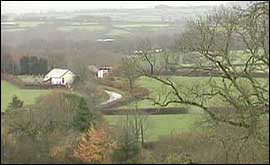 | | Lack of services is a problem facing many rural areas |
| | The State of the Countryside Report highlights problems facing rural areas - such as the lack of key services, low wages, and the shortage of affordable housing. Now, there's a new problem - a digital divide. |
|  | | A shortage of affordable housing continues to be a problem in the countryside and rural post offices are still closing, according to a report published on 7th May 2003.
Rural businesses are also suffering because of a lack of high speed computer connections. In its "State of the Countryside" annual report, the Countryside Agency said there is a "widening digital divide" between town and country which is holding back companies operating in rural areas.
New figures show that while 95% of urban households now have access to broadband Internet services, only 7% of rural villages are connected.
The report says this can present an expensive obstacle to new businesses in these areas and if they are to compete fairly, equal access to affordable computer links is important.
 | | People want the countryside to stay as it is - but farming's contribution to the economy is declining |
The report also complains there has been no improvement in the shortage of affordable housing in the countryside and that rural post offices are continuing to close - although at a slower rate than in previous years.
In rural areas the region with the lowest weekly wage is the North East (£294) followed by the South West (£301).
Farming's contribution to the economy (0.8% of gross value added in 2002) continues to decline and it now employs less than 5% of rural people, but remains the primary means of managing 76% of the countryside.
The Countryside Agency report showed that the public cared deeply about the countryside. It said more than 90% of people living in both rural and urban areas cared so much that they want to "keep the countryside the way it is now."
Countryside Agency chairman Sir Ewen Cameron said: "Our State of the Countryside report provides objective analysis and facts about the countryside to guide policy makers and decision takers.
"While it shows that life in the countryside is generally good for many people who enjoy better standards of health, less fear of crime, higher education qualifications, and get on better with their neighbours, too often problems lie behind this overall favourable picture.
"One in four people living in low income households are in rural areas yet, as I flagged up last year, rural housing continues to become less affordable, particularly for first time buyers.
"Our countryside is a hive of economic activity that plays a major part in driving the national economy, but our report shows that restricted access to broadband is putting rural businesses and residents at a disadvantage.
"I know the Government is working with others to address the issue and I urge them to set a realistic target for reaching the whole rural population with broadband, making it easier to monitor and identify where further action is needed."
Another key statistic shows that population of rural districts has grown by 12% in the past 20 years.
 | previous farming news |  |
| | | |
|
|