| | |
| | |
 | 24 September 2014 |
|
| BBC Homepage England | |
| ||
| » | Devon News Sport Travel Weather Going Out Have Your Say Competitions Webcams Sense of Place Discover Devon Family Friendly Farming Surfing Site Map | |
| Contact Us | |
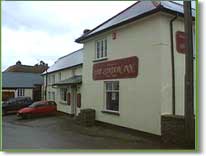
The parish has sports facilities that would be the envy of many other communities of its size. There's a post office/general store, hairdresser and a garage, which are well patronised, as is the 'London Inn', a 16th century coaching inn, that is renowned for its hospitality, log fires and excellent food, not to mention its good assortment of ales. There's an excellent network of well used public footpaths, 20 miles in total, that cross neighbouring fields and are well maintained, thanks to the work of local volunteers.
The village is also the centre of the world famous 'Two Moors Way' and it is a very common sight to see walkers relaxing on the village green before starting off again on their trail. The parish was very proud when the Book of Morchard Bishop was published for the Millennium in September 2002. The Book Group is now writing volume II to be published in September 2002, for the Jubilee. Morchard Bishop has not escaped times of adversity. Once on the stage route from Barnstaple to London it saw the building of the turnpike road in the 1830s and later the railway line - both ignored the village.
The Honiton Lace industry became mechanised and the wool trade moved to the North of England which had an adverse affect on an area that had been so very prosperous in the 1830s.
In 1905, because the parish had lost half its population over a 30-year period, the Gazette newspaper commissioned a reporter to visit the area and establish why the rural depopulation was worse in Morchard than in adjoining areas. The poverty and poor living conditions, coupled with bad housing, were so very obvious but the inhabitants still retained their sense of pride and community spirit. Perhaps it was this great poverty in a community that had little contact with the outside world which made them such a caring society, helping one another until they could no longer manage and then deserting for the cities in their scores. The Second World War made a big impact. Farming incomes improved the local economy and parishioners saw many changes; the conscription of their young folk, the arrival of service personnel, Land Army girls, and even prisoners of war, moved into their isolated parish.
They cared for a large number of evacuees from the blitz cities, who sought shelter here and they made them very welcome. Over the next three decades the standard of living improved, mobility increased, townsfolk moved down into the area in search of a tranquil setting and the population began to rise again.
Perhaps you would like to extol the virtues of YOUR
|
 | ||||
 | ||||
 | ||||
 | ||||

| ||||
 | ||||
| ||||
 ©MMI |
| About the BBC | Help | Terms of Use | Privacy & Cookies Policy |